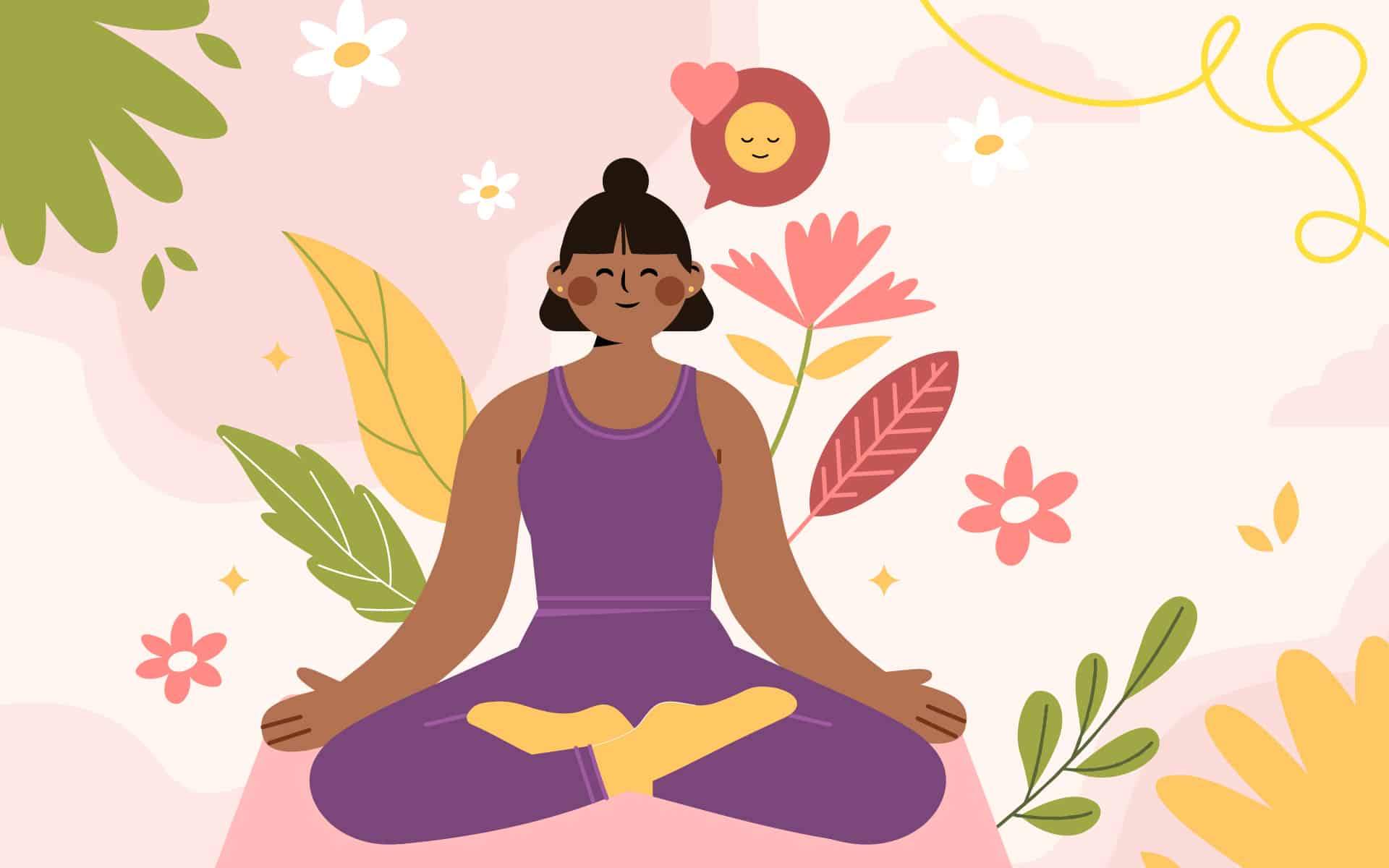
How Meditation Supports Health and Healing
Studies show that mindfulness is ultimately an effective, low-cost way to manage (and maybe even improve) physical and mental health and well-being. Read More
Research shows that intellectual humility can offer far-reaching benefits for both individuals and our society as a whole. Leaders in mindfulness and research break down the science of overcoming confirmation bias and the self-work that can open us up to new perspectives, productive collaboration, and compassion. Read More
When we’re attached to a specific outcome, ideal, or metric, we limit our ability to see the big picture. Try these six science-backed ways to open up to more clarity and self-compassion. Read More
According to Dacher Keltner, there are important evolutionary reasons: It's good for our minds, bodies, and social connections. Read More
Explore how integrating hindsight and foresight into your mindfulness practice unlocks resilience, open-mindedness, and a richer understanding of what it means to be human. Read More
When we’re “up in our head,” we are navigating the world with only part of ourselves—losing track of the body and of the present moment. Willa Blythe Baker explores the emerging science of embodiment and offers four lessons that arise when we tune in to the intelligence of our body. Read More
Bias is a natural human tendency that can be both helpful and harmful. While biases serve as shortcuts for quick decision-making, they can also lead to prejudice and hinder personal growth. By learning how to recognize our biases, we can strive for a more balanced outlook. Read More
Loneliness and social isolation are taking a toll on our well-being, but we have the power to combat them. Discover the science-backed strategies to create meaningful connections and thrive in an increasingly disconnected society. Read More
Research has demonstrated that cultivating self-compassion—learning how to be kind and supportive to oneself—can act as a shield for teenagers against the negative impacts of social media, trauma, depression, and various other challenges. While self-compassion is not a magical solution, it can help alleviate some of the difficulties that adolescents encounter on a daily basis. Read More
Mindfulness-Based Stress Reduction may not change the structure of our brains, but scientists say that this isn’t necessarily a bad thing Read More