From urbanism to psychology, belonging is often understood as a universal human yearning, a condition of community, and a form of social safety. Perhaps this is why we often fail to ask, “What is the cost of belonging, and who is most likely to pay a premium?”
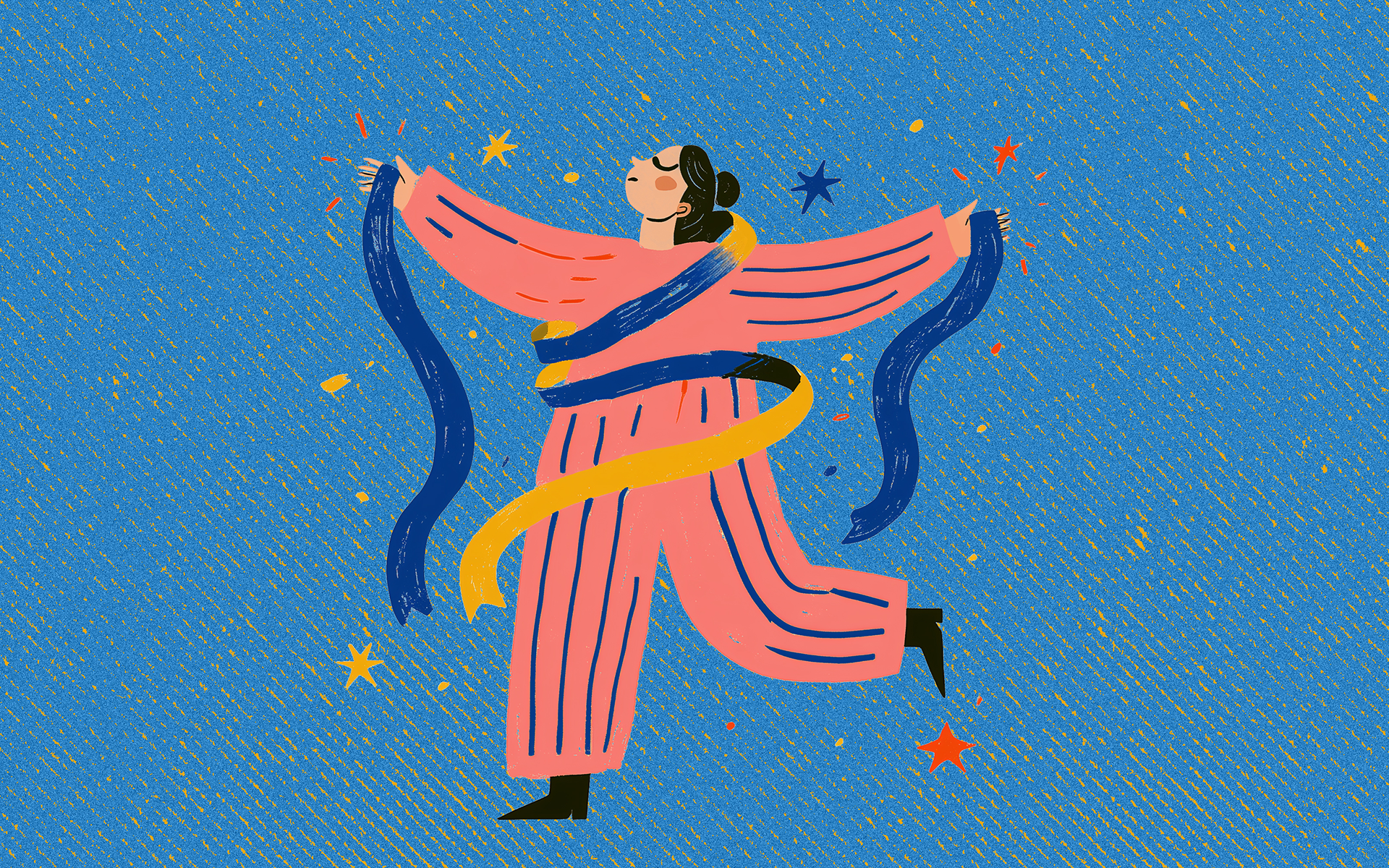
The body is an intricate landscape of delight, memory, and imagination.
Beneath belonging’s promise of connection and safety are uneven power relations. Often belonging is granted by those who hold power in physical spaces, systems, social cliques, and even our families. But we can begin to shift this dynamic by turning inward and recognizing that belonging begins in the body.
The body is an intricate landscape of delight, memory, and imagination. Like a park or library, bodies are sites where we can create a sense of belonging and when violated, often have the ability to heal and reimagine themselves. By belonging to ourselves first, we are better able to be discerning about the external spaces where we seek safety, connection, and public joy.
By belonging to ourselves first, we are better able to be discerning about the external spaces where we seek safety, connection, and public joy.
The following three embodied belonging concepts and practices, rooted in the body as place, offer a pathway forward.
1. Cultivate Healthy Spatial Entitlement
We all have a sense of spatial entitlement. By this I mean an internal understanding of how much space we deserve to occupy, how freely we can move through it, and how much—and what kinds of—joy we are permitted to express publicly. This understanding is shaped by everything from public policy and design to social attitudes and the messages we receive within our own families.
Many of us enter the world with a healthy sense of spatial entitlement. Typically, babies cry when they need something, stumble while learning to walk, and grasp at objects that pique their curiosity without shame or apology.
As we grow, that instinctive healthy spatial entitlement is increasingly shaped by restrictive messages that are often based on our race, gender, class, ability, and other aspects of identity.
But as we grow, that instinctive healthy spatial entitlement is increasingly shaped by restrictive messages that are often based on our race, gender, class, ability, and other aspects of identity. By adolescence, for example, girls and boys may already have received very different messages about how adventurous they should be, how much physical space they should occupy, and how vigilant they need to be about their safety when navigating public spaces.
These types of messages can become so deeply internalized that we carry them into spaces in ways that diminish our spatial freedom, self-expression, and comfort within our bodies. Different people experience vastly different risks and opportunities when it comes to how they occupy public spaces.
However, a good starting point for cultivating healthy spatial entitlement is to understand how the messages we carry–both verbal and embedded in design—may diminish our sense of individual and collective sense of flourishing.
Practice: Create a New Spatial Message
Recall an early message you received about how you were expected to occupy space—how to “appropriately” express your gender, where you could safely explore, or what was considered an acceptable level of laughter. Reflect on how that message still lives in your body and behaviour. Does it change your posture, voice, movement, sense of safety, or willingness to express joy in particular spaces? Create a new message before entering a space where that old message tends to surface—one grounded in your inherent right to express healthy spatial entitlement.
2. Reclaim the Body as a Healing Site
If war can be waged on bodies, those same bodies can be reclaimed as sites of healing and, ideally, public joy. This is not to diminish histories of harm faced by women, racialized people, and poor people in public. Nor does it negate individual incidents of judgment or unkindness experienced far too often on sidewalks and subways. However, as vulnerable as our bodies can be in public, and sometimes in our own homes, they also provide a foundation for healing.
Bodies can become sites where we practice radical self-acceptance as they visibly age, expand to welcome life, or require rest.
They are sites where our identities can be expressed through public space pageantry—meaning the ways we move, adorn ourselves, and communicate care through gestures. Bodies can also become sites where we practice radical self-acceptance as they visibly age, expand to welcome life, or require rest. Reclaiming our bodies as a site of joy doesn’t deny the pain, exploitation, and unsafety they may experience in public. It is an act of reclamation.
Practice: Wage Joy, Not War, on Your Body
Identify a way that your body has been subjected to harm—perhaps being picked on as a child for being heavier than your peers, being hypersexualized while navigating adolescence, or being profiled based on the color of your skin.
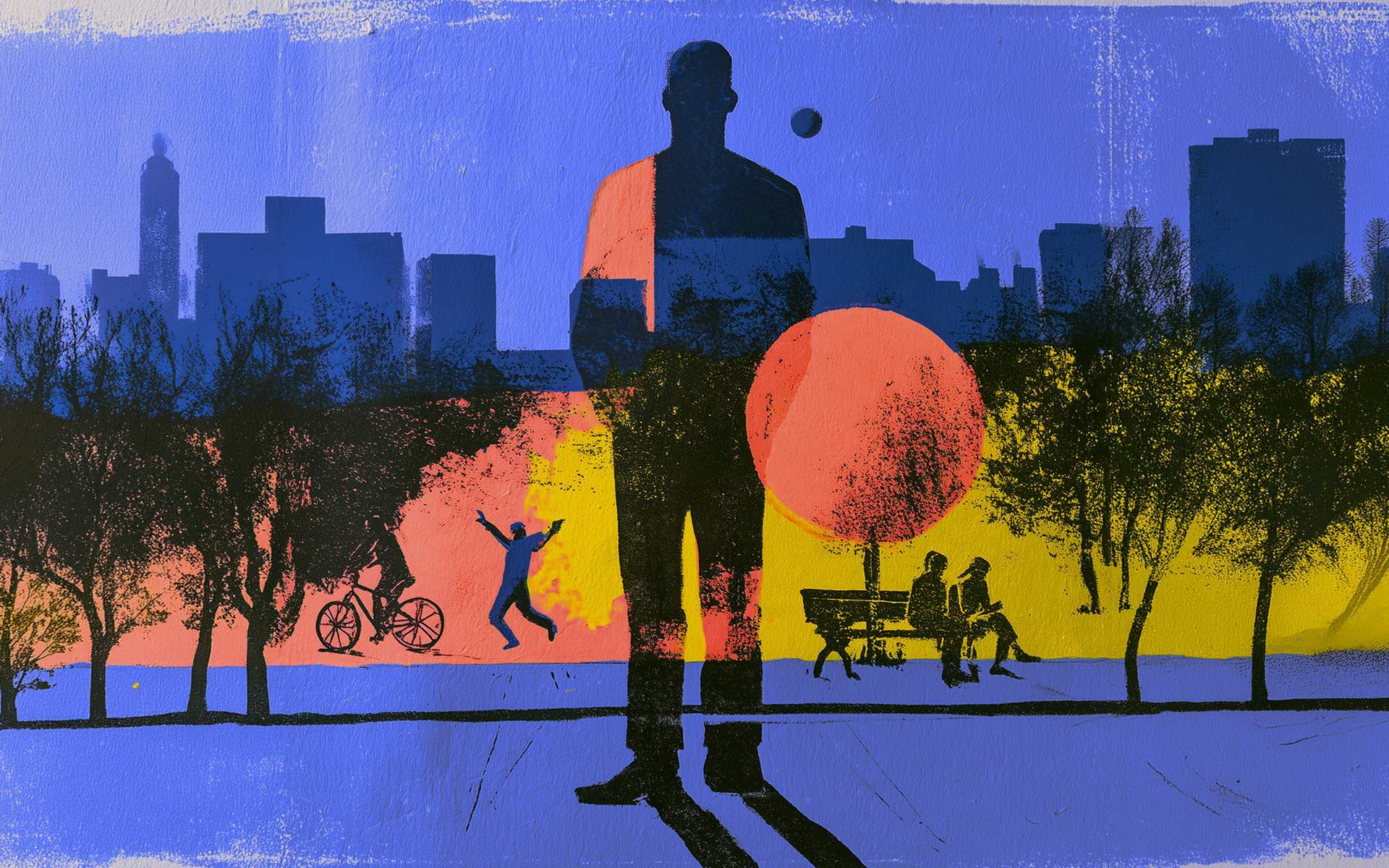
Reflect on that experience for a moment. Without attempting to replace or erase that experience, imagine creating space within your body for experiencing public joy. Now imagine what that expression looks or feels like. Perhaps it is wearing something that reflects your cultural values or is your favorite colour. Or perhaps it’s dancing in a public park, cycling, or walking alongside a body of water.
3. Don’t Just Navigate Public Space, Intentionally Linger
Public space design and planning decisions—from car-centric infrastructure and narrow sidewalks to a lack of green tree canopies—have turned many public spaces into thoroughfares rather than places to linger. Social attitudes may also contribute to this challenge. Some people have developed a diminished sense of spatial entitlement or have experienced unsafety in public spaces, further diminishing their comfort with lingering.
Amid widespread loneliness and social fragmentation, lingering could increase our chances of getting to know people in our neighborhoods, creating opportunities to warmly lock eyes with or nod at passersby.
The accelerated pace of public life—including quite literally the speed at which we navigate public space, has numerous adverse impacts. When we become too focused on our destination, we lose some of the beauty of the journey—whether that’s noticing a piece of public art or pausing to listen to music emanating from a patio.
We can also lose opportunities for community connection. Amid widespread loneliness and social fragmentation, lingering could increase our chances of getting to know people in our neighborhoods, creating opportunities to warmly lock eyes with or nod at passersby. Importantly, lingering is a gentle yet radical act of asserting one’s presence and right to truly be in public.
Practice: Go on a Lingering Journey
Every time you leave your home, rather than thinking of your trip as moving from point A to point B, treat it as a journey. For four to six consecutive weeks, choose one way to linger in public space. This could include getting off the subway or bus three stops early and walking farther on your way home, taking a slow bike ride, exploring a new neighborhood, or going to an art gallery—not to visit a specific exhibit, but to wander into rooms you might normally pass by.
Build Your Own Public Joy Practices
Just as no two people experience public spaces in exactly the same way, these practices will resonate differently with each distinct and equally valuable body. As you practice, keep a short journal reflecting on how each practice makes you feel, think, and move through public spaces. At the end of four to six weeks, review your journal.
Remember that belonging is not something only we only seek out or earn; it is something we have the power to cultivate from within.
Note which practices you would like to continue and which require more exploration. Then, brainstorm practices of your own.
The key is to remember that belonging is not something only we only seek out or earn; it is something we have the power to cultivate from within. Doing so can help us experience the kind of dignified and empowered belonging we all yearn for.
Jay Pitter is the author of the book Black Public Joy.