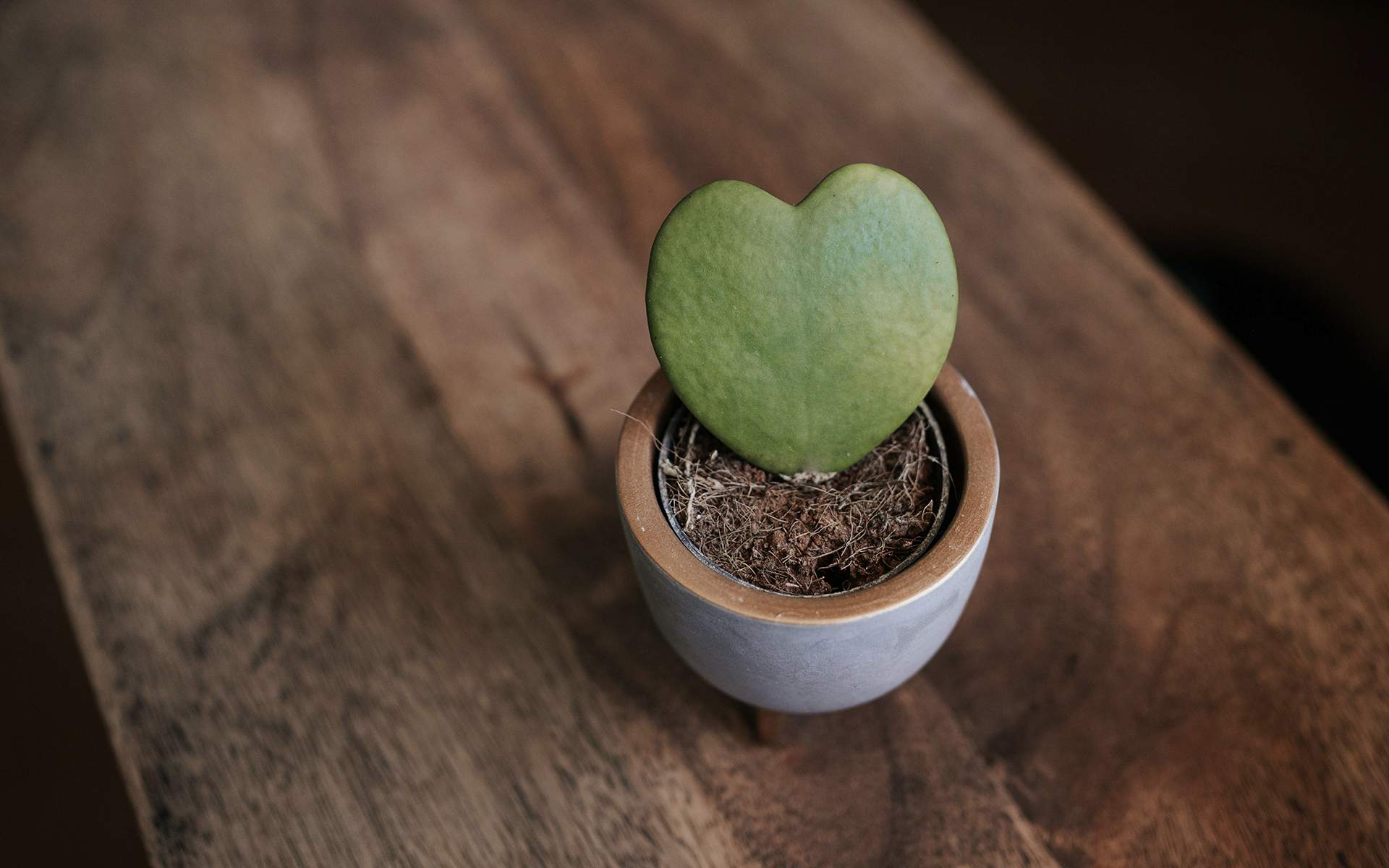
In 1976, researchers Ellen Langer and Judith Rodin conducted an experiment, giving houseplants to two groups of nursing home residents. They told half of these elderly people that the plants were theirs to care for: They had to pay close attention to their plants’ needs for water and sunlight, and they had to respond carefully to those needs. The researchers told the other half of the residents that their plants were theirs to enjoy, but that they did not have to take care of them; the nursing staff would care for the plants.
At the end of a year, the researchers compared the two groups of elders. The residents who had been asked to care for their plants were living longer than the norm, were much healthier, and were more oriented toward and connected to their world. The other residents, those who had plants but did not have to stay responsive to them, simply reflected the norms for people their age in longevity, health, alertness, and engagement with the world.
About The Author
Sharon Salzberg is a meditation teacher and New York Times best-selling author. She is the co-founder of the Insight Meditation Society in Barre, Massachusetts, and has played a crucial role in bringing Asian meditation practices to the West. Sharon has been a student of meditation since 1971, guiding retreats worldwide since 1974. She is a weekly columnist for On Being, a regular contributor to The Huffington Post and the author of many books including Real Happiness, Lovingkindness, and Real Change.
There were other day-to-day events where some of the residents were given choices and some control over decisions and others were not. The study has usually been described as being about choice and control. From the first time I heard of it, though, I thought of it as being about the enlivening power of connection, of loving attention, of caring.
It seems that plants and people share similar traits when it comes to surviving and flourishing. You can go into most any plant store and ask for plants for your home that will survive with very little attention. Spider plants, aloe vera, ZZ plants, and many succulents famously survive a great deal of neglect. People go on long vacations and find these plants living when they return, while all the others have died off. Of course, if you do decide to give these plants some attention, they will not just survive. They will flourish.
About The Author
Sharon Salzberg is a meditation teacher and New York Times best-selling author. She is the co-founder of the Insight Meditation Society in Barre, Massachusetts, and has played a crucial role in bringing Asian meditation practices to the West. Sharon has been a student of meditation since 1971, guiding retreats worldwide since 1974. She is a weekly columnist for On Being, a regular contributor to The Huffington Post and the author of many books including Real Happiness, Lovingkindness, and Real Change.