When I was 19, my parents invited me to visit them in Florida during one of my college breaks. Checking in for my flight, I immediately discovered that I’d gone to the wrong airport—I went to New York’s LaGuardia, instead of JFK. In a fit of panic, I ran to a pay phone (some of you may remember those) to call my parents. Hearing my father’s voice on the other end of the line, I burst into tears, eking out the words to explain my situation, while feeling so ashamed that I’d made such a monumental mistake and would not be able to make my scheduled flight. Without a moment’s hesitation, my father replied, “Congratulations! You messed up!”
With his response, using kindness—and a touch of humor—my father showed me compassion, immediately easing my distress and sense of shame. I rebooked my flight, and I’ve never forgotten the power of his words reminding me that I, too, am human, and like everyone else, I’m allowed to mess up.
About The Author
Caren is a writer and certified positive psychology life coach. She works with individuals and groups, helping clients find balance, resilience, and positivity during transitions and challenging times. A contributor to publications, such as The New York Times, Psychology Today, and Mindful, Caren’s articles cover health and wellbeing, mindfulness and education. Learn more about her work at carenosten.com
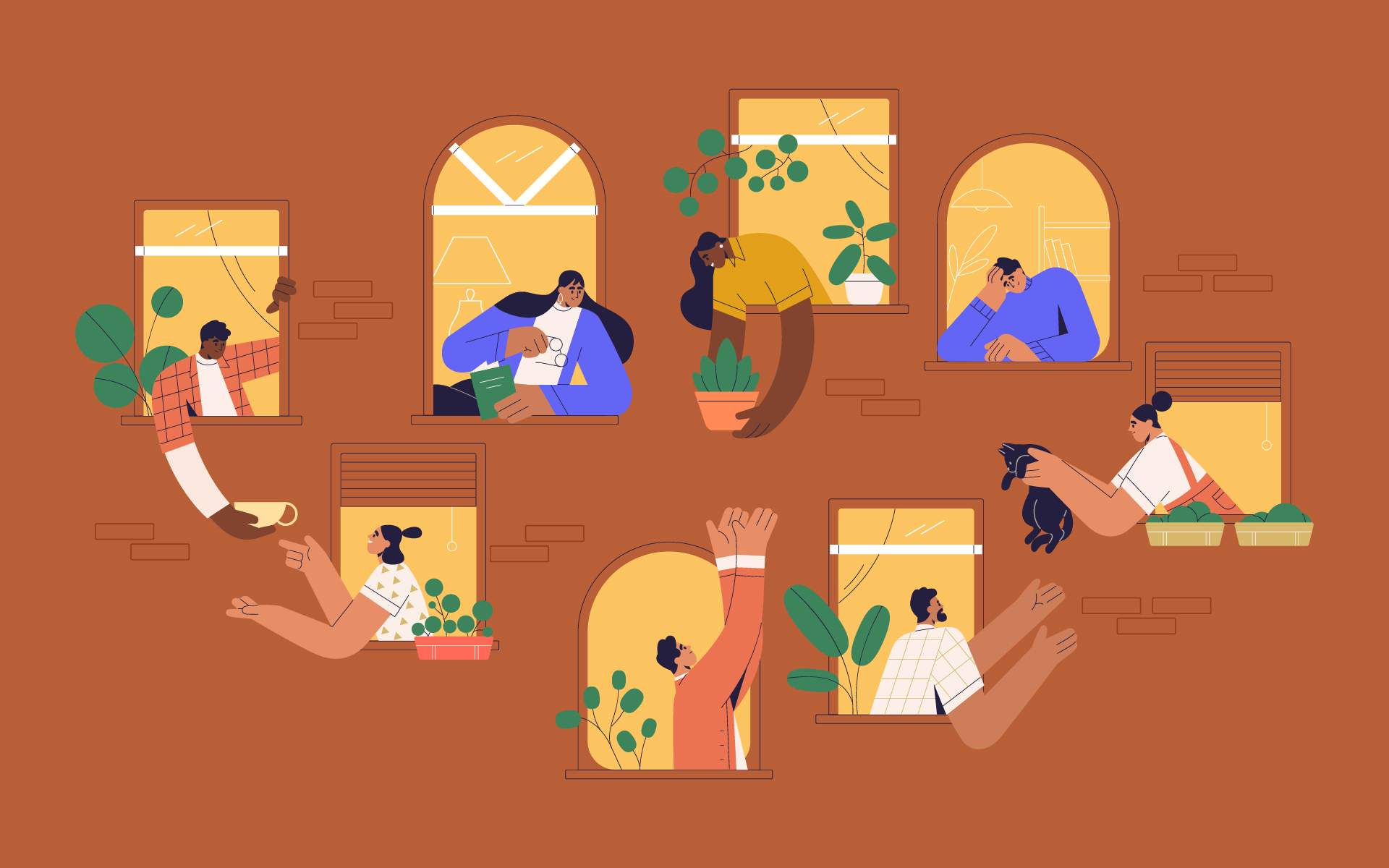
Within compassion, we find three ingredients: awareness, kindness, and a desire to help. “Compassion is the capacity to recognize and feel another’s suffering, with the motivation to act to alleviate that suffering; it’s a noun that acts like a verb,” says Catherine Schweikert, PhD, a compassion advocate and author of The Compassion Remedy.
Empathy is sometimes all we are able or willing to offer. What turns empathy into compassion is the desire to do something.
About The Author
Caren is a writer and certified positive psychology life coach. She works with individuals and groups, helping clients find balance, resilience, and positivity during transitions and challenging times. A contributor to publications, such as The New York Times, Psychology Today, and Mindful, Caren’s articles cover health and wellbeing, mindfulness and education. Learn more about her work at carenosten.com