


Fast Fix or Lifelong Practice?
A quick guide to matching your ad copy to your wellness offer
Every wellness offer falls into one of two camps: a quick fix for something urgent, or a deeper practice people commit to over time. Most underperforming campaigns aren’t badly written — they’re aimed at the wrong camp for what they’re actually selling. Here’s how to tell which camp your offer is in, and what to do differently depending on the answer.
The two camps

Quick fix offers solve an acute, immediate problem. Sleep aids, CBD gummies, weighted blankets, pain relief — the person buying these wants relief, and they want it now. They’re not thinking about who they are as a person. They’re thinking about tonight.
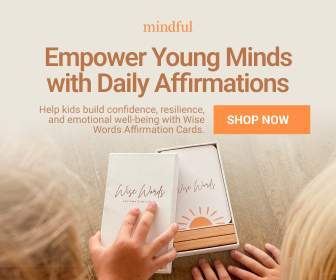
Deeper practice offers are tied to identity and commitment over time. Retreats, mala beads, singing bowls, guided journals, affirmation cards — the person buying these isn’t solving tonight’s problem. They’re investing in who they’re becoming.
Neither camp is better. They’re just different, and they need different copy.
How to tell which camp you’re in
Ask yourself one question: if your product worked perfectly, what would change for the customer tomorrow morning?
If the answer is something concrete and immediate — “they’d have slept through the night,” “their back pain would be gone” — you’re in quick-fix territory.
If the answer is something slower and less measurable — “they’d feel a little more connected to themselves,” “they’d be building a habit they’re proud of” — you’re in deeper-practice territory.
Some offers genuinely sit in both camps depending on how they’re used. A meditation app might be sold as a quick fix for anxiety in one campaign and as a long-term practice in another. That’s fine — but it means your copy needs to pick a lane for each specific campaign, rather than trying to do both at once.
What quick-fix copy needs
A different kind of specificity — not about speed, but about emotional precision. The promise isn’t “this will work fast.” It’s “this understands exactly where you are.”
- “For the days self-compassion feels impossible.” Not “cultivate self-compassion.”
- “A practice for when you’ve forgotten why you started.” Not “deepen your meditation practice.”
- “Made for the version of you that’s still becoming.” Not “support your personal growth journey.”
Speed-based language actively undermines deeper-practice offers. “Results in 7 days” on a meditation course or a retreat signals that the offer is shallower than it actually is, and it attracts the wrong buyer — someone looking for a quick fix who will be disappointed when the “result” isn’t immediate or measurable
The mismatch to watch for
The most common mistake isn’t vague copy. It’s specific copy aimed at the wrong camp.
A fast-relief promise on a deep, identity-driven offer feels hollow — like the retreat is being sold the same way as a painkiller. A slow, reflective message on an urgent need feels frustratingly indirect — like someone who can’t sleep tonight is being asked to “go on a journey” when they just want to close their eyes.
Before your next campaign goes live, do the quick gut check: which camp is this specific offer actually in, and does the copy in front of you match it? If you’re not sure, go back to the “tomorrow morning” question above — it usually settles it in one sentence.
If you’d rather talk it through than guess, we’re always happy to help you figure out which camp your offer sits in and how to write to it.
Book a quick call with mindful