


Digital Guide · Mindful Breathing
Mindful Breathing Exercises: A Guide to Box Breathing, 4-7-8 & More
Breathing exercises are simple, deliberate patterns of inhaling and exhaling that calm your nervous system and ease stress and anxiety. To try one now: breathe in for four counts, hold for four, and exhale for four. That slower, longer exhale is what signals your body to relax.
When we’re feeling stressed or threatened, our breathing often gets shallow, ragged, and rapid. Intentionally resetting the breath can be done in as little as 60 seconds and can regulate our fight-flight-freeze response, enabling us to think more clearly and act with awareness.
Mindful breathing is one of the simplest and most effective mindfulness tools available to help lower stress, soothe anxiety, calm the body before sleep, sharpen focus, and signal safety to the nervous system.
Different breathing exercises meet different in-the-moment needs. Try our easy breathing tool below to learn and practice five basic breath patterns.
The Mindful Breathing Tool
Box Breathing
Equal-count breathing to steady your nervous system.
Ready
Cycle 0 of 0
Nice work. That’s .
Continue in the Mindfulness.com appSummary
- Breathing exercises are simple, deliberate patterns of inhaling and exhaling that calm your nervous system and ease stress and anxiety.
- Benefits of mindful breathing include stress reduction, improved focus and mood, lowered blood pressure, better emotional regulation, enhanced sleep quality, and stronger resilience.
- Basic breath exercises include:
- Box breathing: an equal 4-4-4-4 count (inhale 4, hold 4, exhale 4, hold 4), good for steadying yourself before something stressful.
- 4-7-8 breathing: inhale for 4, hold for 7, exhale for 8 — the longer exhale helps you wind down before sleep.
- Physiological sigh: two inhales and one long exhale—the fastest way to lower stress in real time.
- Diaphragmatic Breathing: a slow inhale (about 4) and longer exhale (about 6) so that your belly rises and falls, rather than your chest, which initiates the relaxation response.
- Alternate Nostril Breathing: using a finger to gently close one nostril at a time, breathe in through one side and out through the other, then reverse—a great way to hone attention and ground restless energy.
- Try it now: Use our handy mindful breathing tool below. Pick the technique you want to practice, select the number of cycles or minutes, click start, and follow the pacer prompts.
- For more in-depth practice with these and other meditation techniques, download the Mindfulness app.

Box Breathing
Equal-count breathing to steady your nervous system
Box breathing is a simple breath exercise that runs on a simple 4-4-4-4 count: breathe in for four seconds, hold for four, breathe out for four, hold for four. For this breathing exercise, the even count is the whole point, because it gives your nervous system a steady rhythm to lock onto instead of the ragged breathing that comes with stress.

4-7-8 Breathing
A longer exhale to help you wind down before sleep
4-7-8 breathing is a mindful breathing exercise that uses a longer exhale to initiate the body’s natural relaxation response. Breathe in for four seconds, hold for seven, and breathe out slowly for eight. The extended exhale is what does the work here, where breathing out longer than you breathe in nudges your body toward its rest-and-digest state.
The seven-second hold can feel long at first — a shorter hold still works while you build up to it.
Try 4-7-8 Breathing Now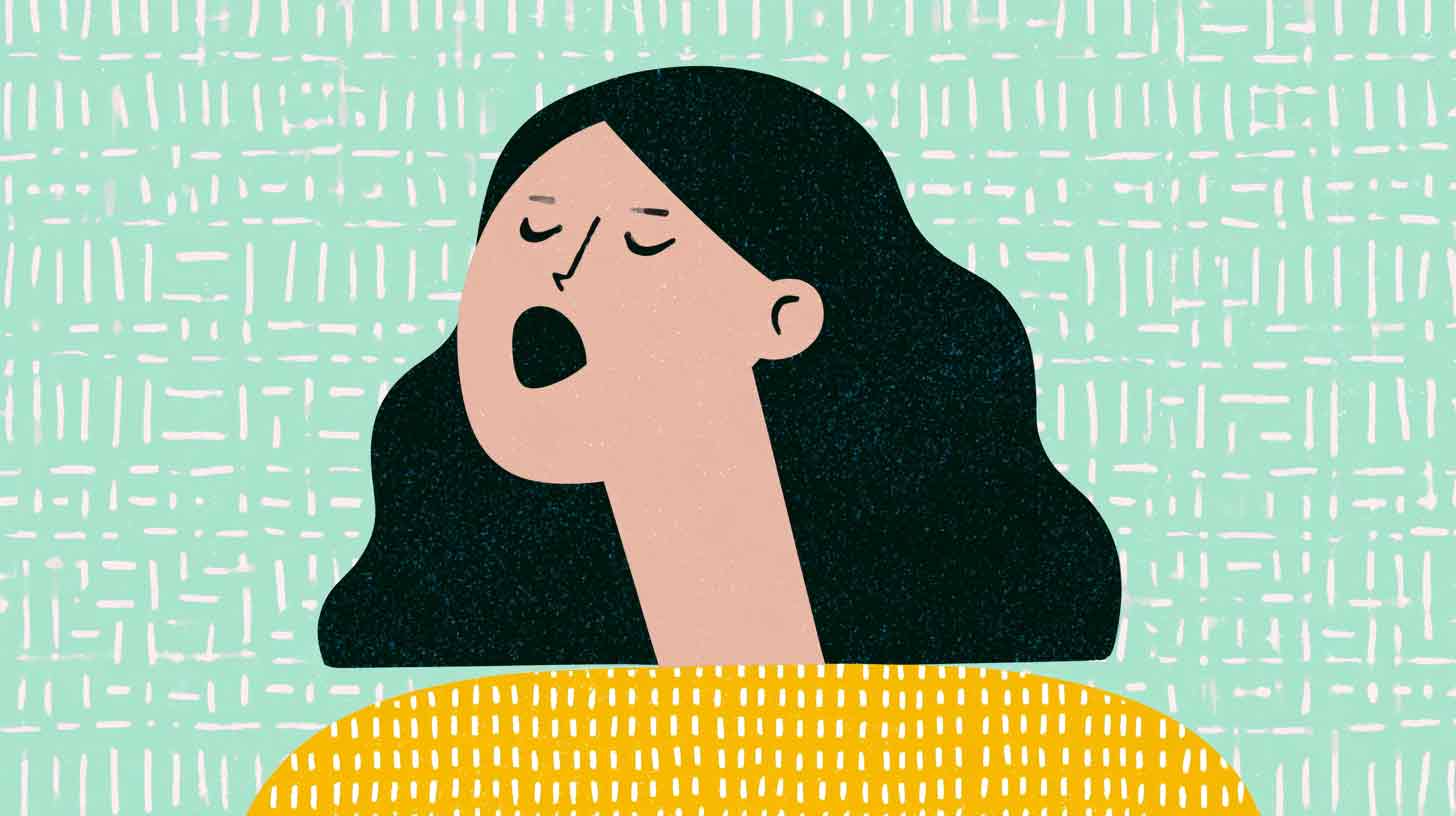
Physiological Sigh
Two inhales, one long exhale — a fast reset for stress
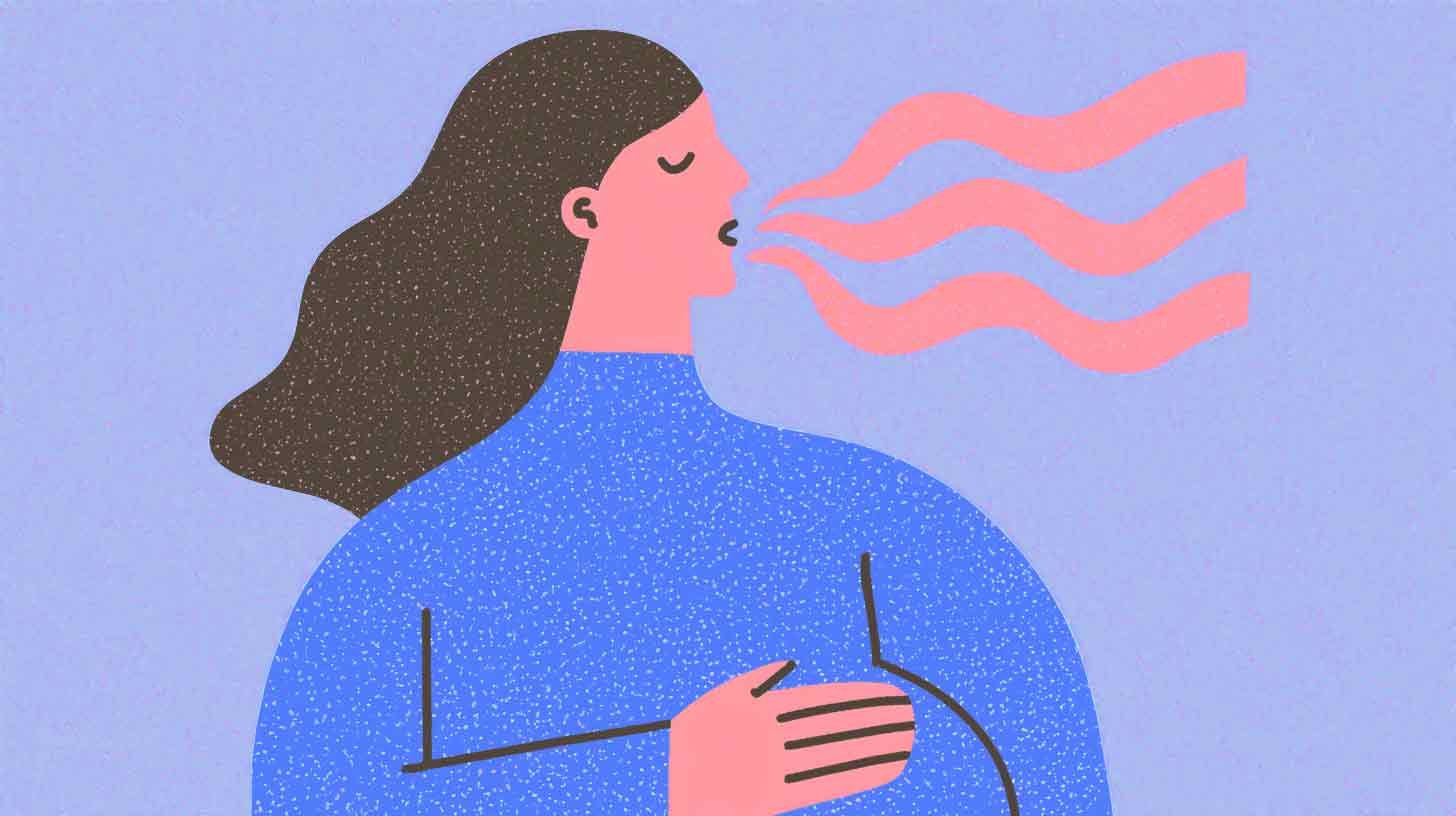
The physiological sigh is a mindful breathing technique that uses a longer exhale to trigger a relaxation response in your body. Take a normal inhale through your nose, then—without exhaling—take a second, shorter inhale on top of it. Then let it all out in one long, slow exhale through your mouth. This double-inhale pattern is what your body already does on its own when you sigh; doing it on purpose speeds up the calming effect.
Diaphragmatic Breathing
Slow belly breathing to activate your body’s relaxation response
Diaphragmatic breathing, also called “belly breathing,” is the practice of intentionally breathing deeply into and out of the belly. You breathe in slowly enough that your belly rises rather than your chest, then let it fall as you breathe out. It’s the foundation most other breathing techniques build on, and the easiest one to practice lying down.
Alternate Nostril Breathing
Also known as Nadi Shodhana, this balancing practice alternates sides with each breath
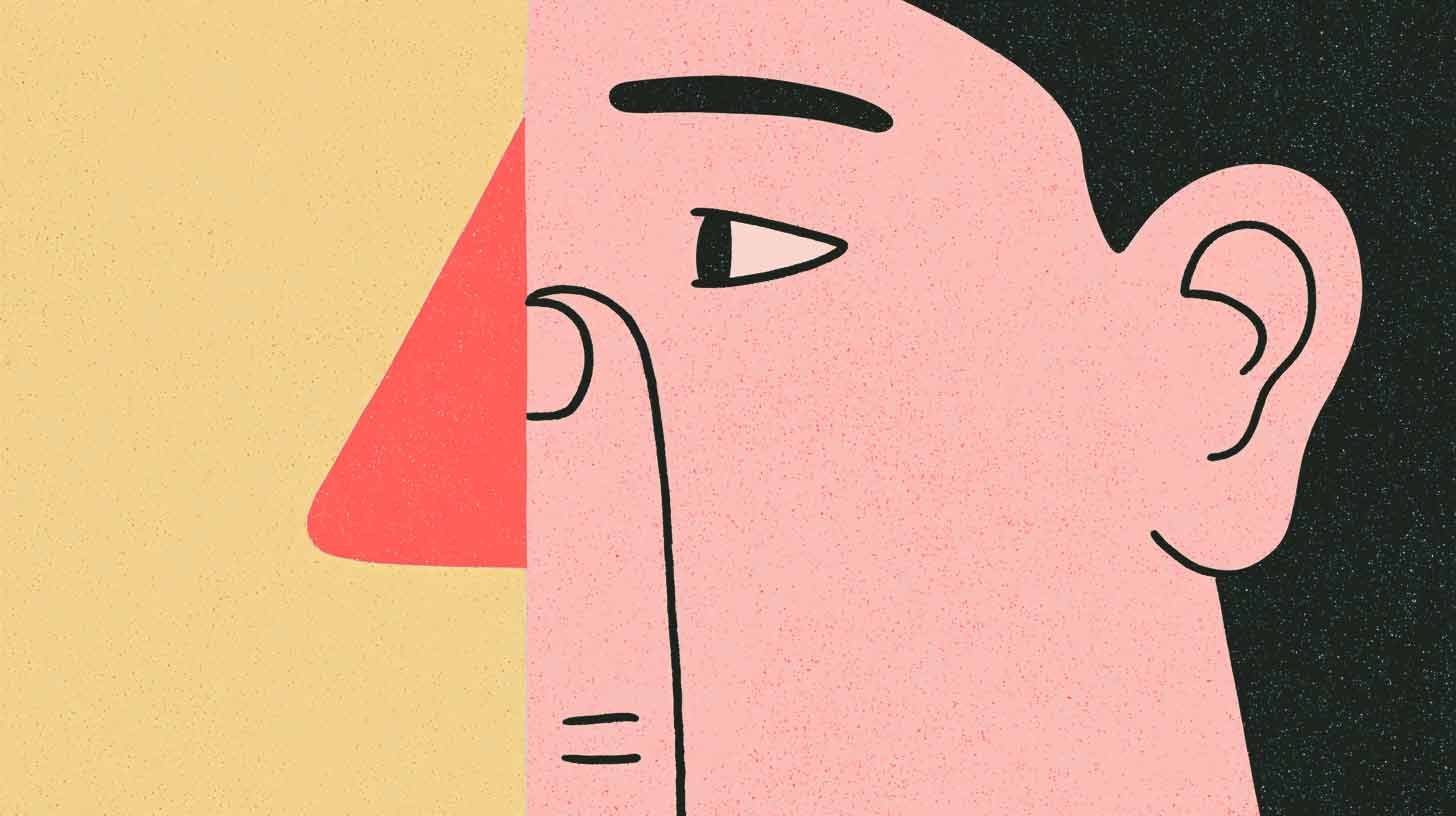
Alternate nostril breathing is a type of mindful breathing that uses an intentional pattern of breathing in one nostril and out the other as a way to bring focus and calm. Using a finger to gently close one nostril at a time, you breathe in through one side, hold, breathe out through the other, then reverse. It takes more attention than the other techniques on this page, which is exactly why some people find it more grounding.
When you have a few uninterrupted minutes and want a practice that occupies your full attention, not just your breathing. This one benefits from a demonstration—the pacer below will cue you when to switch sides.

Breathwork
A constellation of practices that help you experience greater well-being through the breath
Breathwork is a broad family of intentional breathing practices used to improve mental, emotional, and physical well-being. Ranging from gentle to dynamic techniques, these practices harness the breath as a powerful tool for relaxation and self-regulation. Mindful breathing is a vital entry point to breathwork, as it uses simple exercises to nurture calm, clarity, and presence.
Which Technique Fits Your Situation?
Match the moment to the method
Can’t fall asleep
4-7-8 breathing’s long exhale is built for winding down. Diaphragmatic breathing works too if lying still with a count feels like too much.
Try 4-7-8Mid-panic or overwhelmed
The physiological sigh is the fastest of the five — it works standing up, mid-conversation, with your eyes open.
Try the SighBefore a big meeting
Box breathing’s even count is easy to remember under pressure and steadies you without making you look like you’re meditating.
Try Box BreathingBuilding a daily practice
Diaphragmatic breathing is the one to practice daily — it’s the foundation the others sit on top of.
Try DiaphragmaticThe Science, Briefly
The basic science of mindful breathing rests on this fact: When you slow your breath intentionally, you set off a cascade of measurable changes in your body, and studies are increasingly confirming what ancient traditions have long known.
At the center of this process is the vagus nerve. It’s the longest cranial nerve in the body, running from the brainstem down through the heart, lungs, and digestive system. Often called the body’s “rest and digest” superhighway, the vagus nerve is the primary pathway of the parasympathetic nervous system—the counterbalance to the stress-driven “fight or flight” response.
When you breathe slowly and deliberately, you stimulate the vagus nerve, signaling to your brain and body that it is safe to relax. You’ll notice physical signals: your heart rate slows, blood pressure drops, and muscles release tension.
The exhale plays a particularly powerful role in this process. Research shows that slow, extended exhales activate the parasympathetic response more effectively than the inhale does. When you breathe out slowly (ideally longer than your inhale), your heart rate decreases and your nervous system shifts toward calm. This is why practices that emphasize a long, slow exhale are so effective at reducing anxiety and stress in real time.
Diaphragmatic breathing, or belly breathing, amplifies these effects further. Breathing deeply into the belly, rather than shallowly into the chest, fully engages the diaphragm. It maximizes oxygen exchange, and sends even stronger calming signals through the vagus nerve.
When you put all three together, it’s easy to see why something as simple as a few slow, intentional breaths can produce noticeable shifts in how we think, feel, and function.
Frequently Asked Questions
What people usually ask before they start
1) How long should I practice breathing exercises?
A practice that’s meeting an in-the-moment need—like heightened anxiety right before a stressful interview or conversation—can have a noticeable effect in just a few minutes. The physiological sigh tends to be the fastest; box breathing and 4-7-8 usually take a full cycle or two to settle in. As part of a regular practice, a breathing exercise can last as long as you have time for. Here’s a slightly longer practice to build stamina.
2) Can breathing exercises help with anxiety?
With situational anxiety, yes. But these exercises should not be considered as treatment for long-term anxiety disorders. Mindful breathing is a useful tool for managing acute stress in the moment, but it’s not a substitute for therapy or medication if you’re dealing with a diagnosed anxiety disorder. Use these practices alongside whatever else you and a professional have already worked out.
3) What’s the difference between breathwork and breathing exercises?
Breathwork refers to the larger family of breath-based practices, which can range from simple, brief, and gentle to extended and very dynamic. Breathing exercises are a part of that larger collection of practices.
4) Is box breathing or 4-7-8 better?
Because the counting is regular, box breathing can offer an easy anchor point if you need to quickly focus your breath or interrupt ragged or shallow breathing in a moment of stress. If you’re looking for a practice to help you wind down before sleep, 4-7-8 is a great way to go, as the extended out breath signals the body to move into rest-and-digest mode.
5) Do I need to breathe through my nose or my mouth?
Generally, breathing through the nose is recommended. Nasal breathing has several extra benefits: it naturally encourages slower breathing, it filters air in a way the mouth cannot, and it activates the diaphragm and stimulates the vagus nerve more readily. Plus, here’s a fun bonus: breathing through your nose produces nitric oxide, a molecule that improves oxygen uptake and has antimicrobial properties. All that said, if for some reason nasal breathing isn’t a good option, maybe due to an illness or condition that produces breathing difficulties, then breathing through the mouth is a great alternative.
6) Do I need to be in a certain position when I do mindful breathing or breathing meditation?
No. Mindful breathing is a very flexible practice. Every technique on this page works sitting in a chair, standing in line, or lying in bed. Eyes open or closed is entirely up to you. In some cases, like doing a 4-7-8 practice to prepare for sleep, it makes sense to be lying down.
Related Resources
Where to go next
Mindful Staff
Our editorial team specializes in mindfulness, meditation, and mindful living content. We research and curate evidence-based insights and practical tips designed to boost well-being and reduce stress.