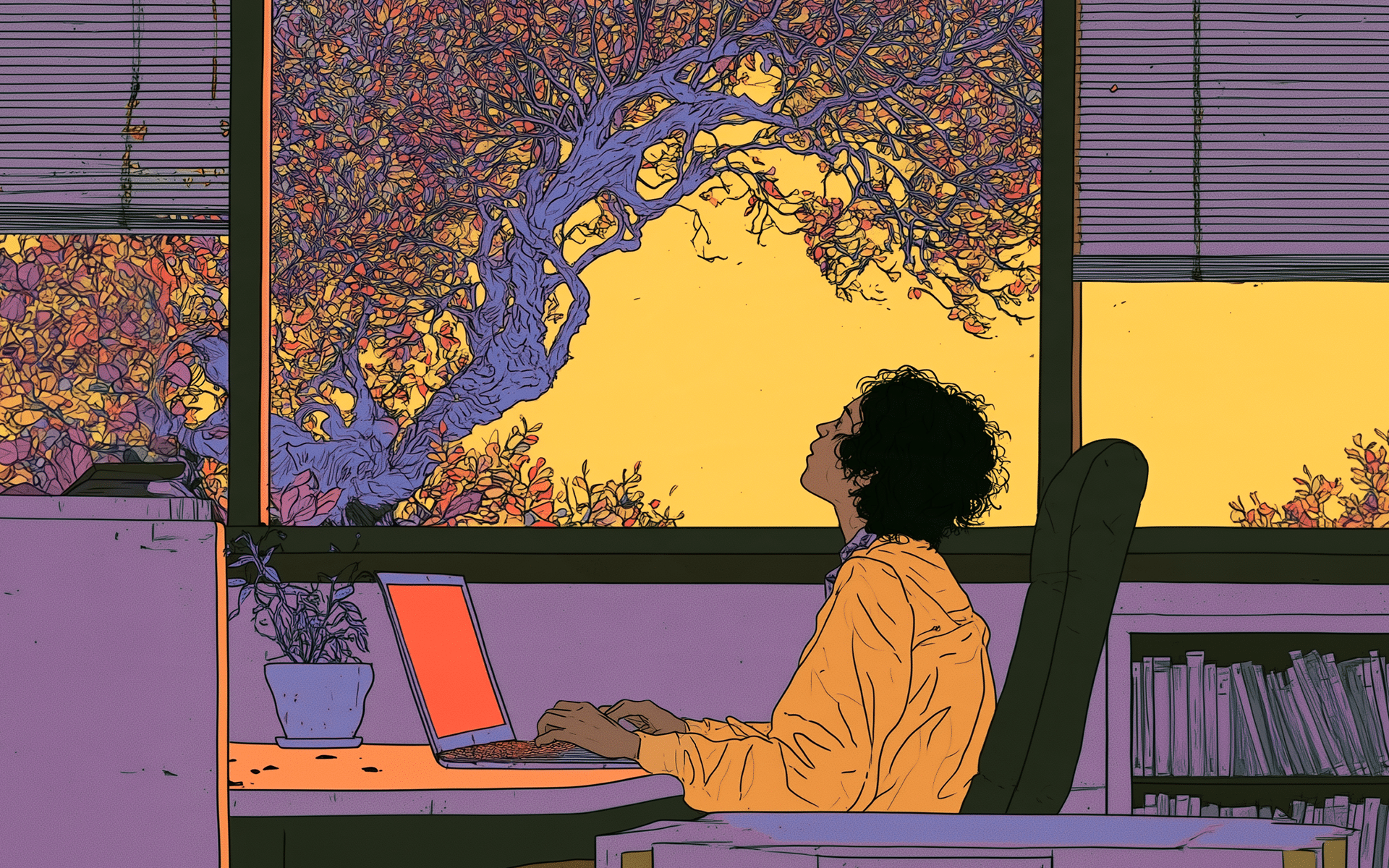
You’re sitting in the waiting room to go into your first big interview or give the presentation you’ve been working on for weeks. Maybe your foot starts tapping quicker and quicker, or you start twirling your hair. Why is your body doing this, and what can these small movements tell you?
Micromovements serve as the body’s way to signal rising anxiety.
Learning to recognize early tension triggers can help build emotional resilience and maintain calm through the day.
When you hone awareness, you can use mindful techniques to respond, which can help you preserve well-being and maintain focus in work and play. Plus, learning to recognize early tension triggers can also help build emotional resilience and maintain calm through the day.
Here are 10 common signals your body might be sending you.
The 10 Subtle Micromovements
1. The Brow Furrow or Knit
We often knit our eyebrows together when looking at a computer screen or reading a dense email. While in some cases, this might be due to awkward positioning at your desk or a need to make adjustments to your screen, worry or mental strain can trigger this tiny contraction of the forehead muscles. The brain signals these muscles to tighten as it tries to process a difficult problem, mirroring the internal effort to solve a stressful situation.
2. Jaw Clenching or Grinding
Do you ever catch yourself clenching your jaw in a stressful moment, like when you’re driving through heavy traffic or working under a tight deadline? Awake bruxism, another term for grinding, is common, affecting up to 23% of adults. A tense jaw is part of your body’s physical defense system: it’s preparing to stabilize your head and neck in the presence of physical threat.
3. The Shallow Breath
During a stressful meeting, you might notice your chest rising and falling rapidly while your stomach remains perfectly still. Internal tension disrupts normal breathing, leading to a shift to rapid, shallow chest breathing. The autonomic nervous system enters a sympathetic response, treating minor mental strain the same way it treats actual physical danger.
4. Finger Tapping or Cuticle Picking
When we’re anxious, we might repeatedly taps a desk or pick at the skin around our fingernails during a long pause in conversation. The nervous system drives these small, rhythmic movements when it contains too much restless energy. The motor system generates repetitive actions to help discharge that excess stimulation and restore internal balance.
5. Toe Curling or Foot Tapping
It’s common to curl our toes tightly inside our shoes or bounce a heel rapidly against the floor. This lower-body tension shows that stress has traveled down the musculoskeletal system. The body prepares its legs and feet for sudden action, keeping you in a constant state of hyper-vigilance.
6. Lip Biting or Chewing
Sometimes we trap our bottom lip between our teeth or chew on the inside of our cheek. The lower lip bite is the classic signal of I’m thinking that over or I’m trying to decide—moments that often come with some anxiety or uncertainty. It might seem strange, but this self-regulating behavior increases physical sensations in the mouth. The nervous system uses this sensory input to distract you from emotional discomfort.
7. Subtle Neck and Shoulder Tensing
Here’s one to notice: when a difficult email arrives, see if you shrug your shoulders up toward your ears without realizing it. This posture mimics a protective instinct to guard the neck from a sudden blow. Muscles in the upper back tighten to prepare you for a perceived threat.
8. Hair Twirling or Touching
Do you tend to wrap a strand of hair around your finger or stroke your head during a challenging presentation. This form of fidgeting is a pacifying behavior. The gentle, repetitive touch provides comfort to an overstimulated brain, helping to soothe rising internal agitation.
9. Eyelid Fluttering or Rapid Blinking
In many situations, people blink rapidly when answering a stressful question. Rapid blinking is an important facial expression that indicates heightened anxiety and fatigue. The accelerated blink rate reflects a sudden spike in adrenaline and stress hormones within the nervous system.
10. The Freezing Response
Sometimes a sudden loud noise or receiving unexpected news can cause a lock in posture. We stop moving for a few seconds. This momentary pause represents the primal freeze response. The brain temporarily halts all motor functions to evaluate its surroundings before choosing an action.
The Link Between Micromovements and Internal State
The autonomic nervous system is a network of nerves that regulates involuntary body processes, like heart rate and blood pressure.
This system relies on the sympathetic and parasympathetic networks. The sympathetic nervous system drives the “fight or flight” response, accelerating heart rate and muscle readiness during perceived danger. The parasympathetic nervous system manages the “rest and digest” system, lowering heart rate and encouraging recovery when the threat passes.
You might notice that many of these micromovements are a primal body-response to perceived physical threat—even when no such immediate threat is present. Micromovements are the physical spillover of this intense internal activation; they often serve as unconscious attempts at self-regulation, as the motor system discharges excess nervous energy.
Micromovements prove that the body actively communicates a specific need—and often, that need is simply rest.
Anxiety signals a chronically overactive sympathetic nervous system. When this stress response remains active, the adrenal glands flood the bloodstream with stress hormones such as cortisol and adrenaline.
It’s easy to miss early nervous system warning signs when our attention is fractured. Micromovements prove that the body actively communicates a specific need—and often, that need is simply rest. Recognizing these micromovements is the first step toward altering behavioral responses and proactive stress management.
Mindfulness as a Solution
Mindfulness offers a way to keep our awareness in the present moment. This practice trains interoception, which is our ability to accurately perceive internal bodily signals.
One way that mindfulness can help us build better interoception is through practices like the body scan, a structured exercise in which individuals monitor physical sensations from head to toe. As you scan your body, assess how each part feels. This can help determine where an emotional reaction took place and where it sits. For example, you may experience tension in your stomach, and can intentionally breathe into the belly to relax that tension.
Mindfulness training strengthens structural connectivity within the brain’s interoceptive networks, supporting emotional well-being. Mindful practices put you back in the driver’s seat: when you experience yourself as the observer of your thoughts, you have more say in how you respond. This more objective stance de-escalates the anxiety cycle, rewiring neural pathways to foster better emotional regulation.
In addition, focused sensory attention gently steers the mind away from anxious and negative thought loops. It involves focusing on the world around you by using all five senses. This practice establishes a supportive relationship between the mind and body.
Need Some Practice? Start here.
You can build bodily awareness through simple daily routines.
- Set a recurring phone reminder for a daily check-in—for example, a 60-second exercise to pause and scan the body for physical indicators of stress. Alternatively, detecting a micromovement could also trigger the mindful pause. This is when you would start doing a body scan.
- Expand this routine with the 4-7-8 breathing technique to regulate heart rate. This involves breathing through the nose for four seconds, holding the breath for seven seconds and exhaling through pursed lips for eight seconds. A study from the National Institutes of Health shows that structured slow-breathing exercises significantly lower blood pressure and reduce stress responses.
- A micromovement journal can reveal your personal patterns, and writing about your stress can also help to understand and alleviate emotional hooks.
- For deeper exploration, the RAIN method guides you to recognize, allow, investigate and nurture internal sensations. This four-step mindfulness technique helps to process difficult emotions and break reactive habit loops.
Focusing on just one type of micromovement per week keeps the practice manageable. This supportive practice emphasizes personal compassion over perfection, empowering you to reclaim agency over your daily lives.
Bring Personal Awareness Into Daily Life
Anxiety often begins with quiet physical signals. Mindfulness provides the tools to listen to these subtle bodily signs. This clear awareness transforms you from a passive reactor into a conscious, proactive manager of your inner state. Recognizing early bodily shifts allows professionals and practitioners to build greater emotional stability.
This post comes to us from Lola Marks, Senior Editor at Body+Mind.