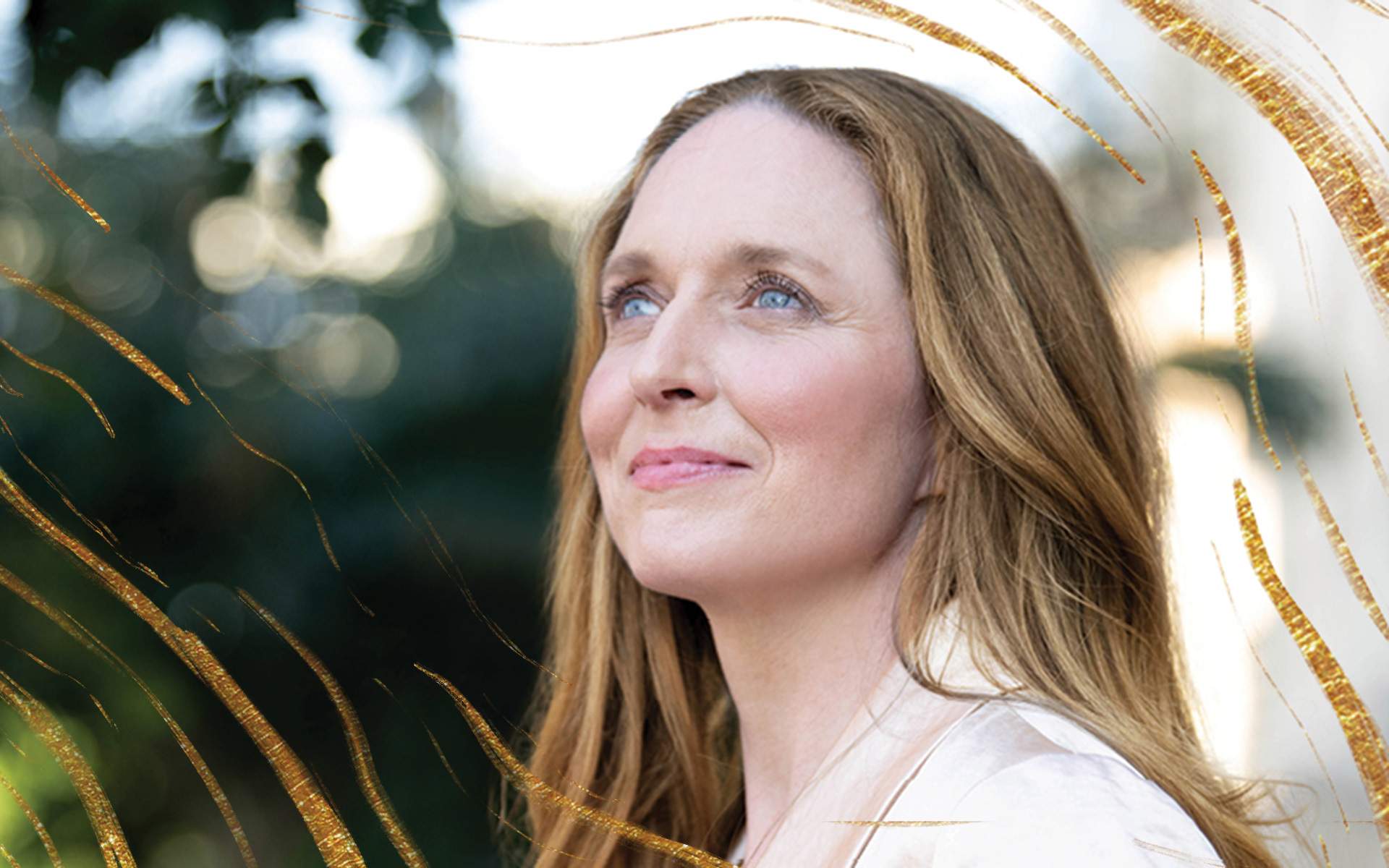
Stephanie Domet: What makes this the right time for this book—what feels urgent?
Caverly Morgan: I don’t think I’m just projecting onto others when I recognize that in myself there was a type of turbulence that didn’t let me move through the world on behalf of my deepest love and understanding, on behalf of my deepest knowing. It feels authentic for me to say that others in this time, too, long for a way to reconcile that. The questions I was asking were: How does my personal mindfulness practice, which has brought me a lot of peace, a lot of benefit, that I know “works”—how does that directly relate to injustices in the world, the massive structural processes of othering that lead to tremendous harm? Are those two things separate? Am I creating a dent in these larger issues if I’m just finding some personal stress relief within? What else is possible for me?
That feels like such an intrinsic question for right now. Maybe your mindfulness practice starts by waking up to yourself, but then the more you practice, the more you see it’s not about me, it’s about all of us, and as we often say at Mindful, moving from me to we to us.
Absolutely. And thank goodness that personal stress relief isn’t enough, that it won’t satiate our deepest longing—which is for true freedom. And that true freedom is never going to happen inside the distortion of I as an isolated, fixed form. It’s only going to happen when we remember the truth of us. It’s like deepening layers of shared being, realizing there isn’t even an us—there is only this shared being. Now, we can see what happens if we’re acting in the world on behalf of the recognition of that shared being, versus on behalf of I in the egoic sense of it.