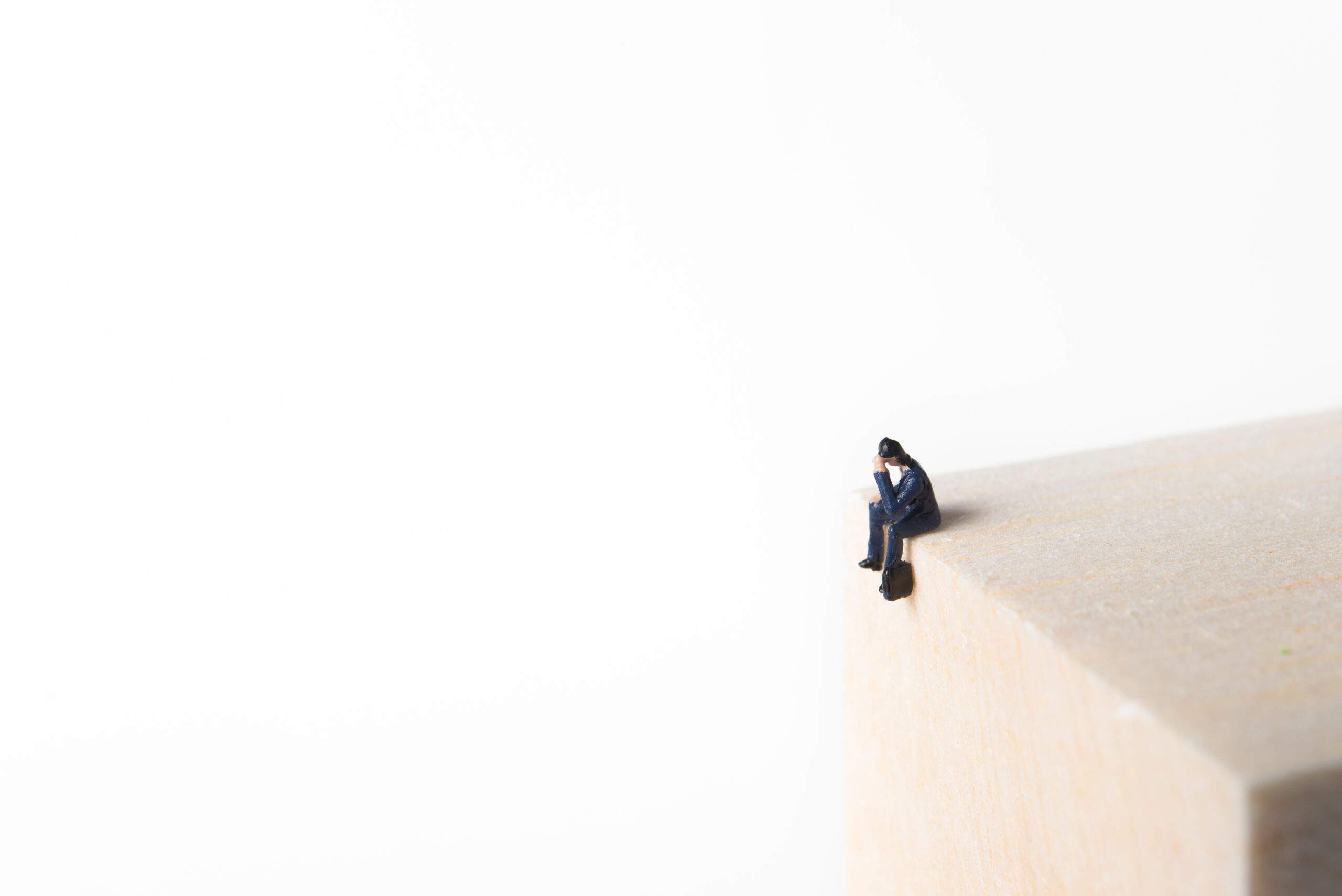
One of my early motivations for learning to meditate was the hope that it would help me manage anxiety.
My tendency is toward a free-floating, generalized kind of fear that lends a nervous edge to every thought. It often comes with heart palpitations, gut churning, and a general jumpiness that makes it hard to rest.
When Anxiety Becomes a Constant Companion
At its worst, during my late twenties, I was caught in this anxious state for a number of years, despite the fact that outwardly my life looked safe, stable, and privileged.
Since then, these episodes of inner hyper-restlessness have diminished, both in frequency and duration. In no small part, I think this is due to mindfulness and meditation practice.
These days I’m more aware of the conditions that tend to trip the switch for anxiety for me—such as taking on more than I have resources to cope with, or personal, social, and professional rejection. I’m also better equipped to deal with anxiety when it does arise. I’m more able to slow down, be gentle and patient with the symptoms, trust that the panic will pass, and engage in confidence-building activities that tend to restore steadiness.
Meditation for anxiety hasn’t made fear disappear, but it has changed how I meet it.
A New Relationship with Fear
The fear still comes to haunt me every now and then—but my relationship to it has changed.
Earlier this year, a convergence of work pressures and family demands set my heart pounding, and the ferris wheel of catastrophe started whirling in my mind. I wasn’t sleeping at night, on top of which our two young children were waking well before dawn.
Anxiety, fatigue, and a full schedule—not the loveliest of combinations.
In the past, this could easily have led to a spiraling down of mood and lots of reactivity, quickly shifting to a more pernicious worry about how anxiety itself was making everything worse—reducing my capacity to cope and making simple everyday tasks seem Herculean.
Turning Sleepless Nights into Meditation Practice
This time, seeing as sleep wasn’t coming at night, I decided to use the time for meditation.
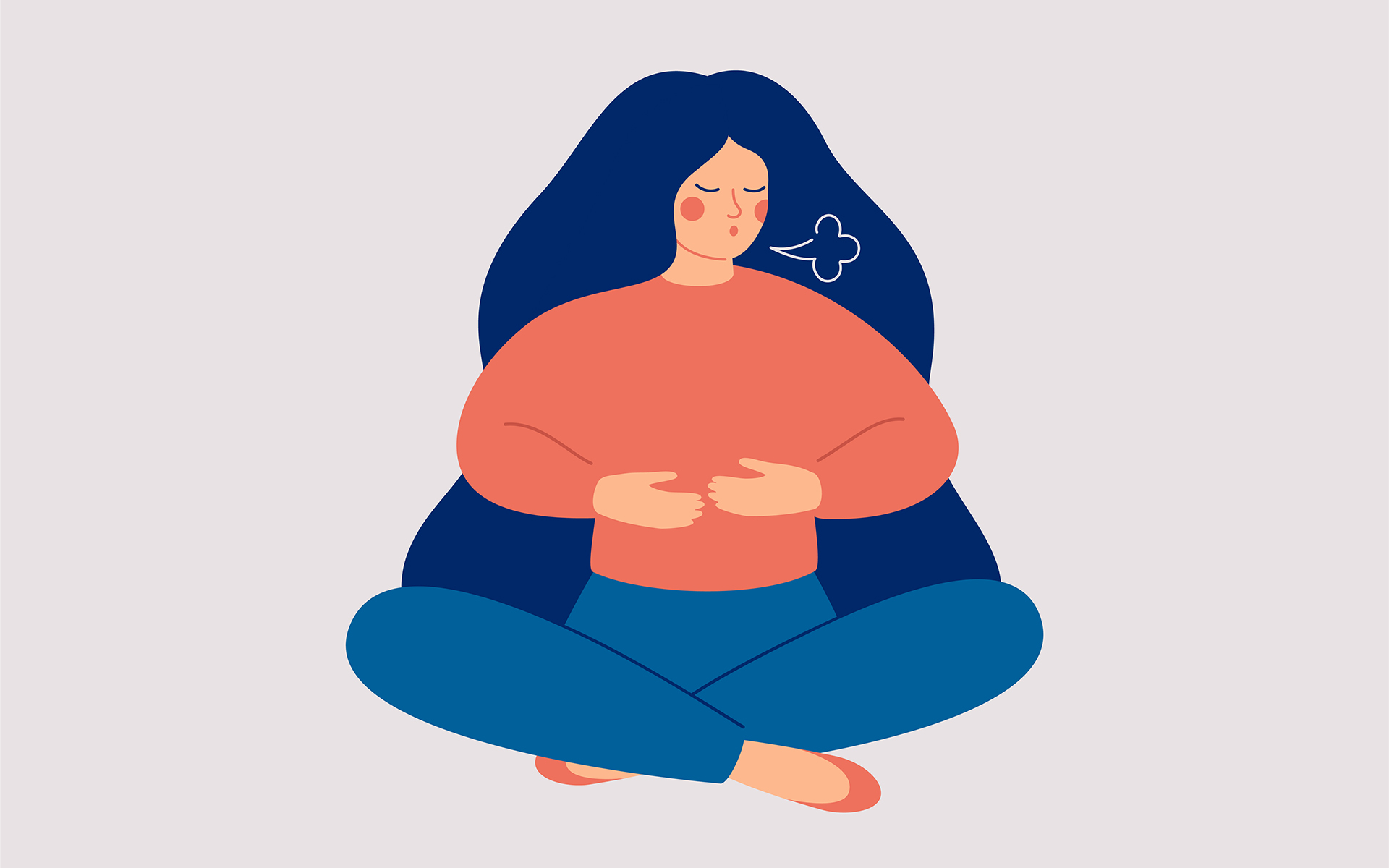
For several hours over several nights, I practised mindfulness of breathing, saying to myself gently:
Breathing in, confidence. Breathing out, letting be.
Sometimes, cultivating acceptance of what was happening while reaffirming my ability to cope confidently with it felt awkward, stupid, or pointless. But gently, I continued regardless.
Some nights I was awake until one of our boys got up, while on others I fell asleep during practice in the early hours. What seemed important was that I allowed the outcome not to matter—whether it helped or not. For now, I simply let meditation be something I did with the extra waking time.
As it turned out, I noticed that sustained practice tended to lead to a settling of my mind and body, rather than the escalation of frustration I had encountered in previous, similar situations.
What This Episode Taught Me About Mindfulness and Anxiety
Over a period of a few weeks, the phase of anxiety slowly dissolved. It hadn’t been very pleasant, but with mindfulness as an anchor, I learned some interesting and useful things.
First, I still have more to learn about maintaining a healthy balance between work, home, life, and rest.
Second, consciously cultivating confidence and cooperation, along with mindful breathing, can gradually help me back to calm. This kind of meditation for anxiety didn’t erase the fear instantly, but it gave me a way to stay with myself while the storm passed.
The Long-Term Impact of Meditation on My Anxiety
I was also reminded that a growing power seems to come from meditation over months and years.
In the early days of practice, trying a similar approach during the onset of an episode used to have little effect—my mindfulness then was no match for the force of old habit patterns. Fortunately, I didn’t give up. Mindfulness had already proved helpful in other ways and at other times.
Now, after about 15 years of regular practice, it seems there’s been some shift in the patterns of mind, brain, and body that make me susceptible to chronic jitters. Over time, some of the nervousness I felt was dissipated by simply inviting confidence with each breath.
That, in itself, was a further boost to confidence—and another gentle antidote to anxiety.
This story was originally published on Mindful.org in May 2015.
Related articles :
About The Author