Dan Harris, anchor of ABC News, Nightline, and Weekend Edition of Good Morning America, recently wrote a memoir about his public breakdown and journey to mindfulness entitled 10% Happier. Harris was drawn to meditation despite massive misgivings about the way some people talk about mindfulness, and has since taken up the mantle of bringing meditation to the masses.
Harris’ story was covered in the August issue of Mindful magazine. He recently sat down with renowned neuroscientist Richard Davidson in New York City to talk about using meditation to train your brain
10% Happier: A Simplified Summary of Dan Harris’s Journey into Meditation
Intro
- Dan Harris, a veteran ABC News anchor, recounts a startling, embarrassing moment: a panic attack on live television in 2004. This moment became a turning point that propelled him into a long, often messy exploration of meditation, mindfulness, and the idea that happiness can be cultivated as a skill.
- The story is built on relief and honesty: Harris acknowledges his flaws, his career pressures, and how a personal crisis can open the door to meaningful personal growth. He blends humor with vulnerability, and his mission is to make meditation accessible to skeptical, busy people like him and like many listeners who doubt its practicality.
Center
- Early life and career pressures
- Harris joined ABC News in 2000 at age 28, surrounded by industry giants, feeling green and insecure.
- He coped by becoming a workaholic, traveling to cover dangerous conflicts after 9/11, which contributed to later emotional turmoil.
- Post-deployment burnout followed long stints in war zones (Afghanistan, Iraq, Israel, the West Bank, Gaza), culminating in depression after a brutal Iraq reporting cycle in 2003.
- He admitted to self-medicating with cocaine and Ecstasy, not during work hours but as a coping mechanism for undiagnosed depression.
- A pivotal moment came when a doctor linked his on-air panic attack to adrenaline spikes from drug use; this realization catalyzed his commitment to change.
- The turning point: exploring spirituality and science
- Peter Jennings, his mentor, assigned him to cover faith and spirituality, exposing Harris to megachurches, mosques, and temples, which broadened his worldview and taught him the value of diverse worldviews.
- In 2008, a producer suggested examining Eckhart Tolle, a popular self-help author, whose ideas about chronic internal narration resonated with Harris. Tolle described an ongoing inner voice that drives people—often toward past regrets or future anxieties.
- Harris initially resisted Tolle’s mysticism, finding some claims impractical. The inner voice hypothesis, however, struck a chord; it explained the dynamics of his own anxiety, restlessness, and self-medication.
- The search for practical tools
- Harris explored various avenues in the self-help world, discovering how often grand, vague promises replace concrete, actionable steps.
- His skepticism led him to Mark Epstein, a physician-psychoanalyst who linked Buddhism and psychology, focusing on the concept of “monkey mind” and the Buddhist view of perpetual mental chatter.
- Epstein’s Buddhist approach introduced Harris to meditation as a practical method to tame the restless mind, contrasting with Tolle’s sometimes abstract guidance.
- Misgivings about meditation
- Initially, Harris believed meditation was for hippies and new-age adherents, a notion reinforced by a popular culture stereotype (humorously echoed by a 30 Rock clip).
- He worried meditation involved religious or cultural fringe activities—funny postures, mantras, aura readings—that would alienate a skeptical, busy professional audience.
- He later learned that mindfulness meditation, the focus of most lab studies, could be practiced in secular, non-religious contexts: sit upright, focus on breath, and kindly notice when the mind wanders—then begin again.
- Scientific validation and practical technique
- Harris highlights research showing meditation’s wide range of benefits: reduced stress hormones, lower blood pressure, stronger immune function, and improvements in depression, anxiety, ADHD, and age-related cognitive decline.
- Harvard studies demonstrated neuroplastic changes: increased gray matter in self-awareness and compassion regions, and decreased gray matter in stress-related areas after eight weeks of daily practice.
- Mindfulness is defined simply: the ability to know what’s happening in your head in any moment without getting carried away. It’s not about erasing thoughts but about creating space between stimulus and reaction.
- The core practice: mindfulness meditation (a non-religious, secular, accessible form)
- Three steps:
1) Sit upright, comfortably.
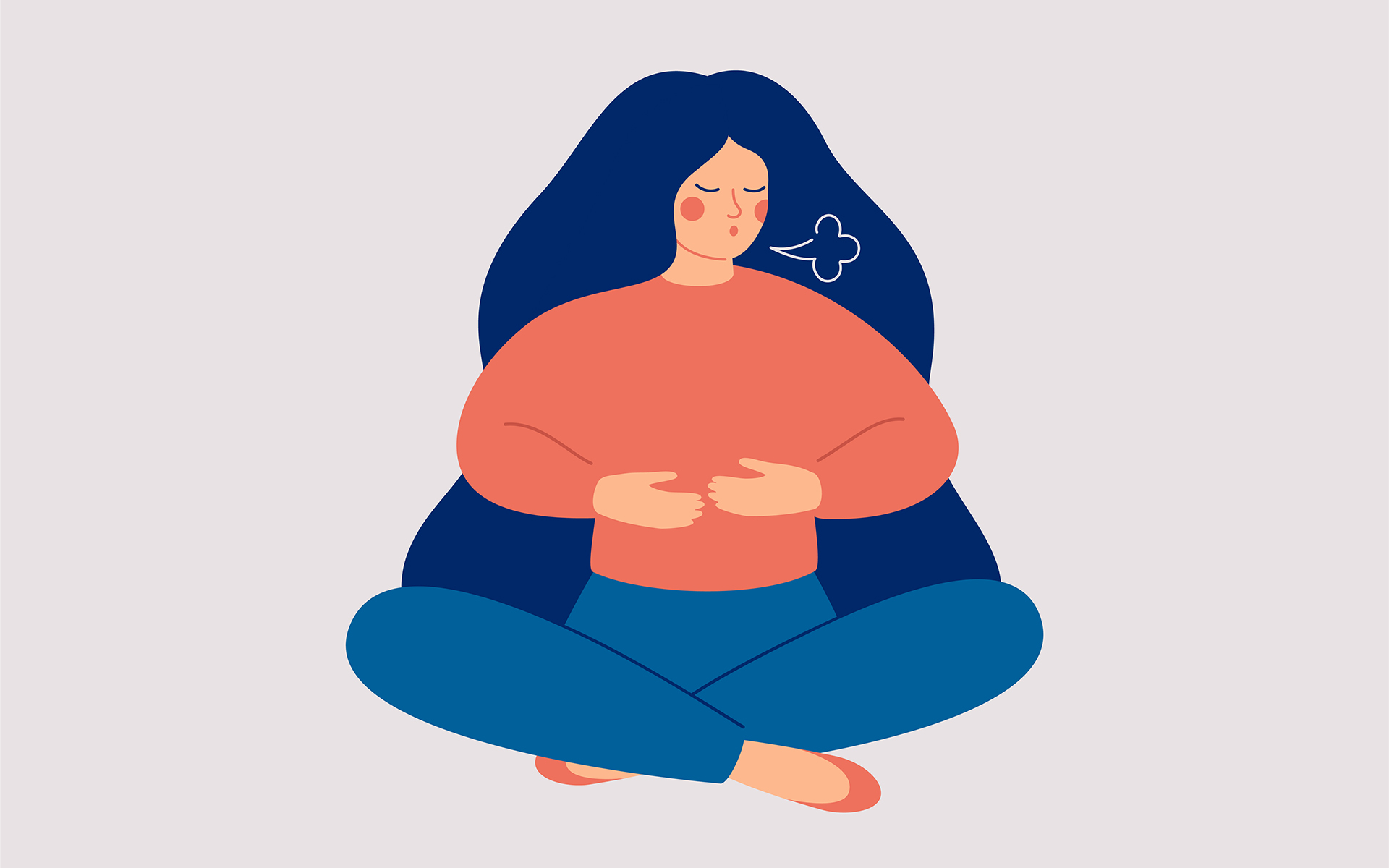
2) Focus attention on the breath’s sensation (nose, chest, or belly).
3) When the mind wanders, notice it, then return to the breath without judgment.
- Three steps:
- Personal experience and early results
- Harris started with 5–10 minutes daily, acknowledging how hard it is at first—like learning a new skill; it takes practice.
- Benefits began with improved focus and the emergence of “mindfulness,” a useful, practical discipline often mischaracterized as mystical or arcane.
- The “respond, not react” principle emerged as a practical framework for daily life: choose thoughtful responses over reflexive reactions in stressful situations.
- Real-world adoption and cultural impact
- Meditation expanded into corporate and athletic domains: Procter & Gamble, Aetna, Target, General Mills adopted mindfulness spaces; Silicon Valley embraced the practice.
- The Wired profile described meditation as “the new caffeine”—a nod to its growing mainstream acceptance among high-stress, high-output professionals.
- Notable adherents spanning sports and entertainment: Seahawks, Novak Djokovic, Knicks, Katy Perry, Fifty Cent, and others exploring mindfulness in training and performance.
- The U.S. Army and Marines fund research on meditation’s potential to enhance resilience and reduce PTSD, signaling a shift from personal wellness to strategic readiness.
- A candid forecast and philosophy
- Harris predicts meditation could become a public-health revolution on par with running or regular exercise—an ordinary, practical tool embedded in daily life for mental wellness.
- He emphasizes that meditation is not a panacea: it won’t fix everything (hair loss, lottery luck, or all relationship problems). He labeled his book “10% Happier” as a humorous, modest expectation that still conveys meaningful life improvement over time.
- The core claim: happiness is a skill that can be trained. This counters the belief that external circumstances alone determine well-being.
- A pragmatic vision: simplify meditation language, make it accessible to skeptical audiences, and present it as a routine, scalable practice akin to brushing teeth or taking prescribed medications.
- Personal growth and ongoing practice
- Harris remains a workaholic but has learned to separate constructive distress from useless rumination, dedicating a portion of each day to practice.
- He credits small but cumulative changes in demeanor and behavior with his wife noticing shifts before he fully recognizes them himself.
- He champions a light, humorous approach to mindfulness that respects science while inviting busy people to try it without feeling cult-like or forced.
Outro
- The core takeaway is clear: mindfulness meditation, especially in its secular form, offers tangible benefits for focus, emotional regulation, and overall well-being.
- Harris’s journey—from panic attack to practical practice—demonstrates that even skeptical, busy professionals can cultivate happiness as a daily discipline.
- The message is accessible and pragmatic: invest five to ten minutes a day, stay consistent, and let the benefits unfold gradually.
- The invitation is universal: give it a try. If a fidgety, skeptical newsman can become a daily meditator and extol its advantages, so can you.
- Final encouragement: pursue mindfulness not as a mystical obligation but as a curated, evidence-based tool that can meaningfully improve daily life, relationships, and resilience in a demanding world.