Gratitude
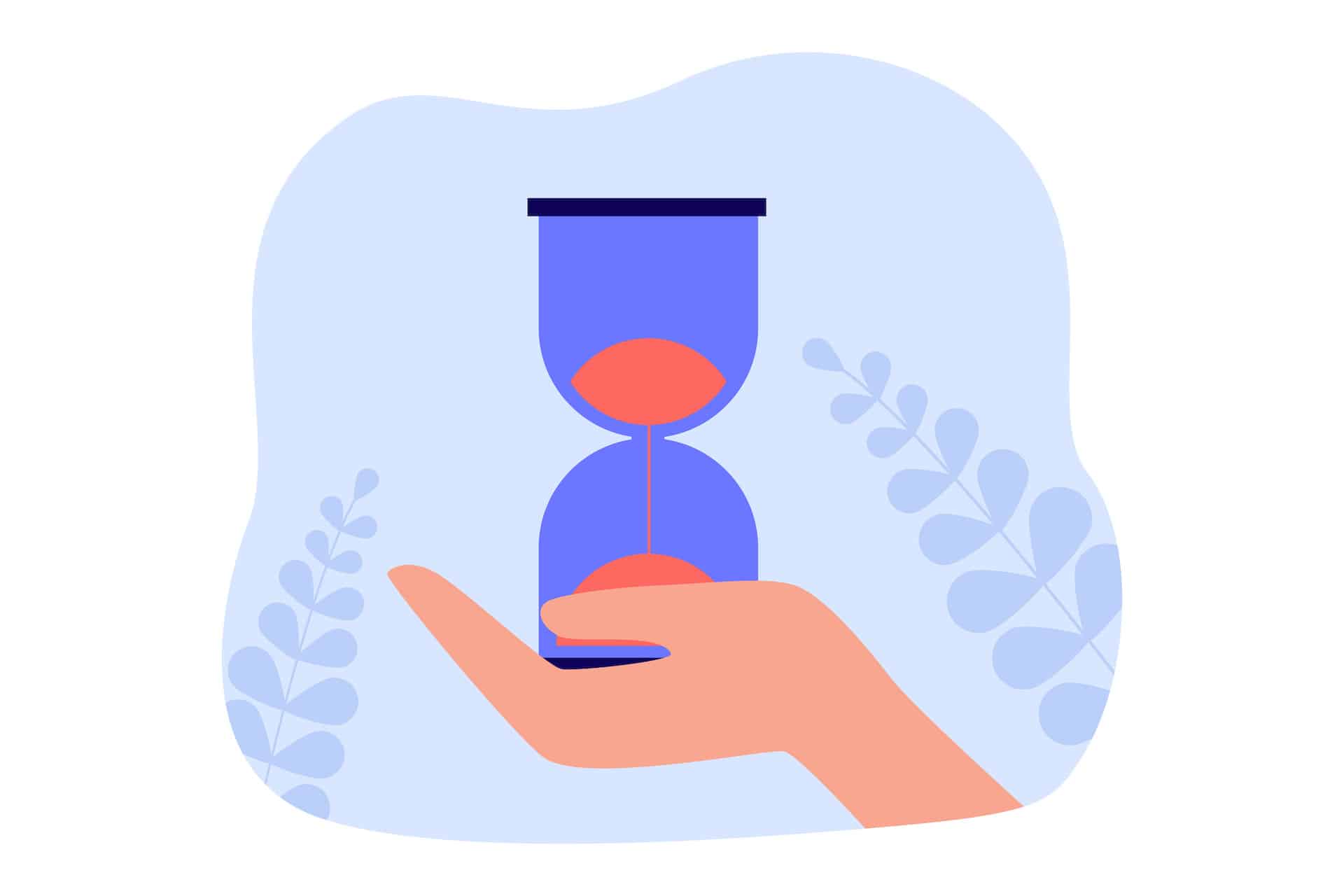
The Benefits of Being a Patient Person
Research shows that a patient person can support our mental health, strengthen our connection with others, and even help us reach our goals. Read More 
Research shows that a patient person can support our mental health, strengthen our connection with others, and even help us reach our goals. Read More
Columbia business professor, Bill Duggan, says creativity is most often lost to groupthink. True innovation requires thinking that happens when the brain isn’t being stimulated. Read More

From an evolutionary standpoint, “survival of the kindest” is no exaggeration. When we respond with kindness in the face of suffering—including our own—we’re affirming the reality that our lives and well-being are all interconnected. Read More

Ruth King guides us in a practice to explore the truth of our interconnectedness. Read More

Living wholeheartedly means unapologetically embracing who we are, accepting our imperfections, and celebrating our strengths and uniqueness, writes cardiologist Dr. Jonathan Fisher in this excerpt from his new book, Just One Heart. Read More
Mindful founding editor Barry Boyce sits down with Norman Farb and Zindel Segal to talk about their new book Better In Every Sense and how reconnecting with our senses can help get us unstuck and establish new patterns. Read More
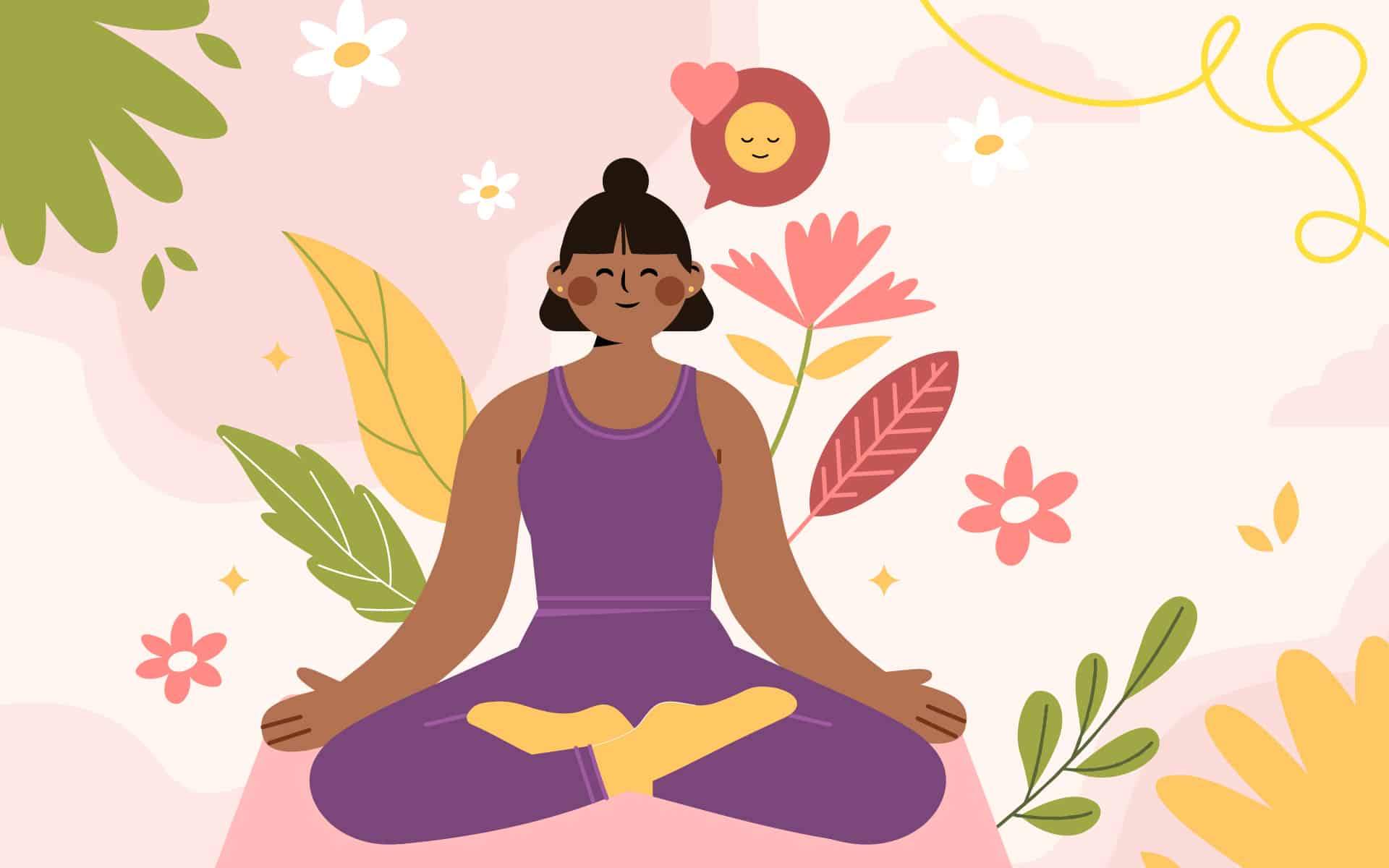
In her new book, All in Her Head: How Gender Bias Harms Women’s Mental Health, science writer Misty Pratt evaluates research and offers advice on trying yoga and meditation to support mental well-being—including why it’s important to adapt these popular practices to what your own mind and body need. Read More
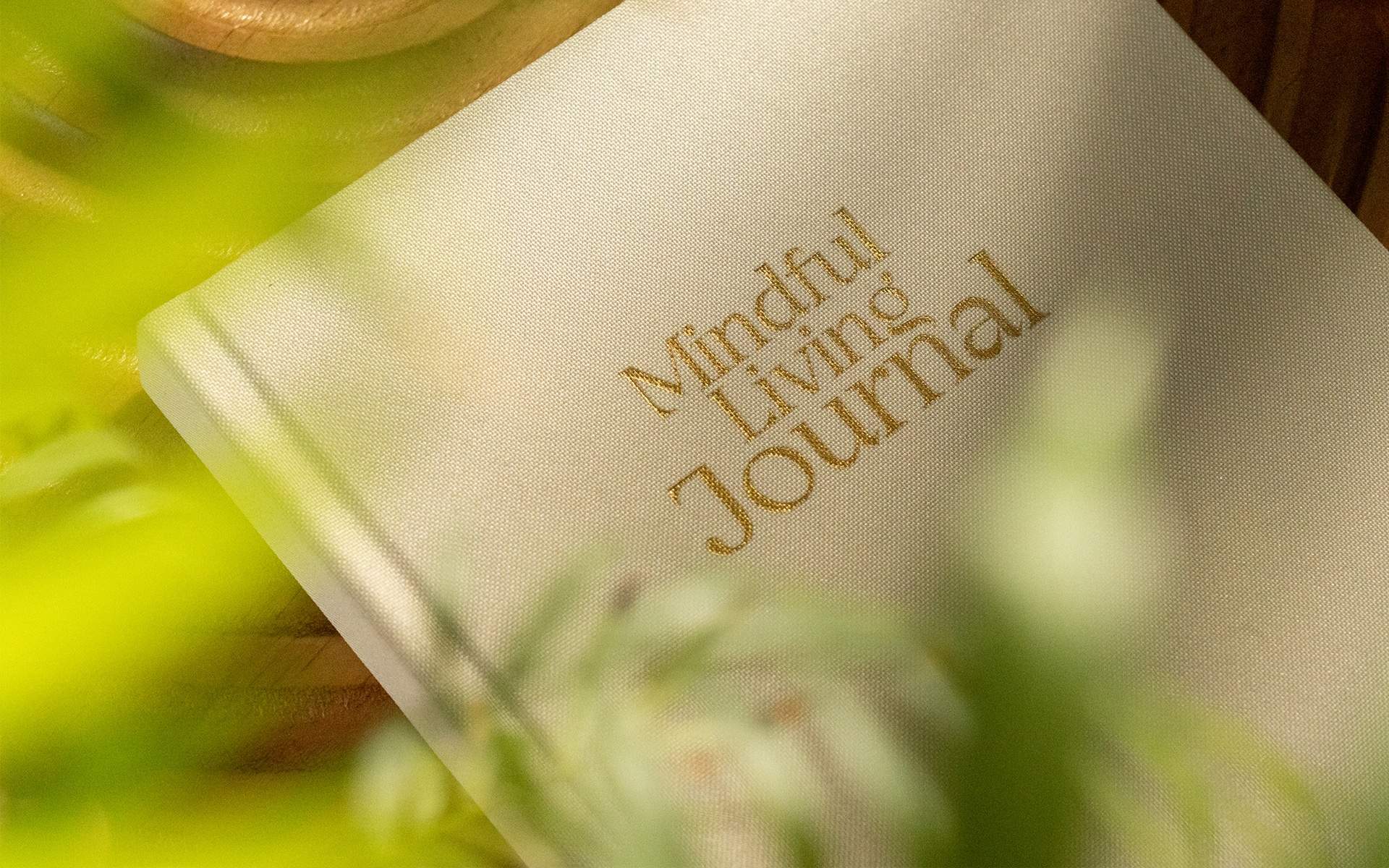
There’s a robust body of research that shows mindful journaling can be a powerful tool for insight, clarity, healing, and well-being. Here’s why you should try it (even if you don’t consider yourself a “writer”). Read More

Explore this 15-minute guided meditation to open up some space for yourself to sit with what is, rather than what if. Read More

Most of us want to avoid uncertainty, but the latest scientific research is showing that uncertainty may be essential for our overall well-being. Here’s how mindfulness can help us unlock its beneficial potential. Read More