

The Power of Then
I remember one day in rehab, after a particularly gruelling day of group therapy, the facilitator decided to end with a mindfulness meditation. Feeling exhausted and overstimulated, I welcomed the chance to close my eyes and shut out the world for a little while.
But as she guided our awareness through the body, I became painfully aware of what was happening inside mine—the tightness in my jaw and throat, my heart pounding, the knot of fear twisting in my stomach. My body didn’t feel like a safe place to be; it felt like a war zone.
When the meditation ended, she reminded us of how important it is in recovery “to live in the now.” And that left me with a burning question that I didn’t dare ask: What if my now feels unbearable?
When the meditation ended, she reminded us of how important it is in recovery “to live in the now.” And that left me with a burning question that I didn’t dare ask: What if my now feels unbearable?
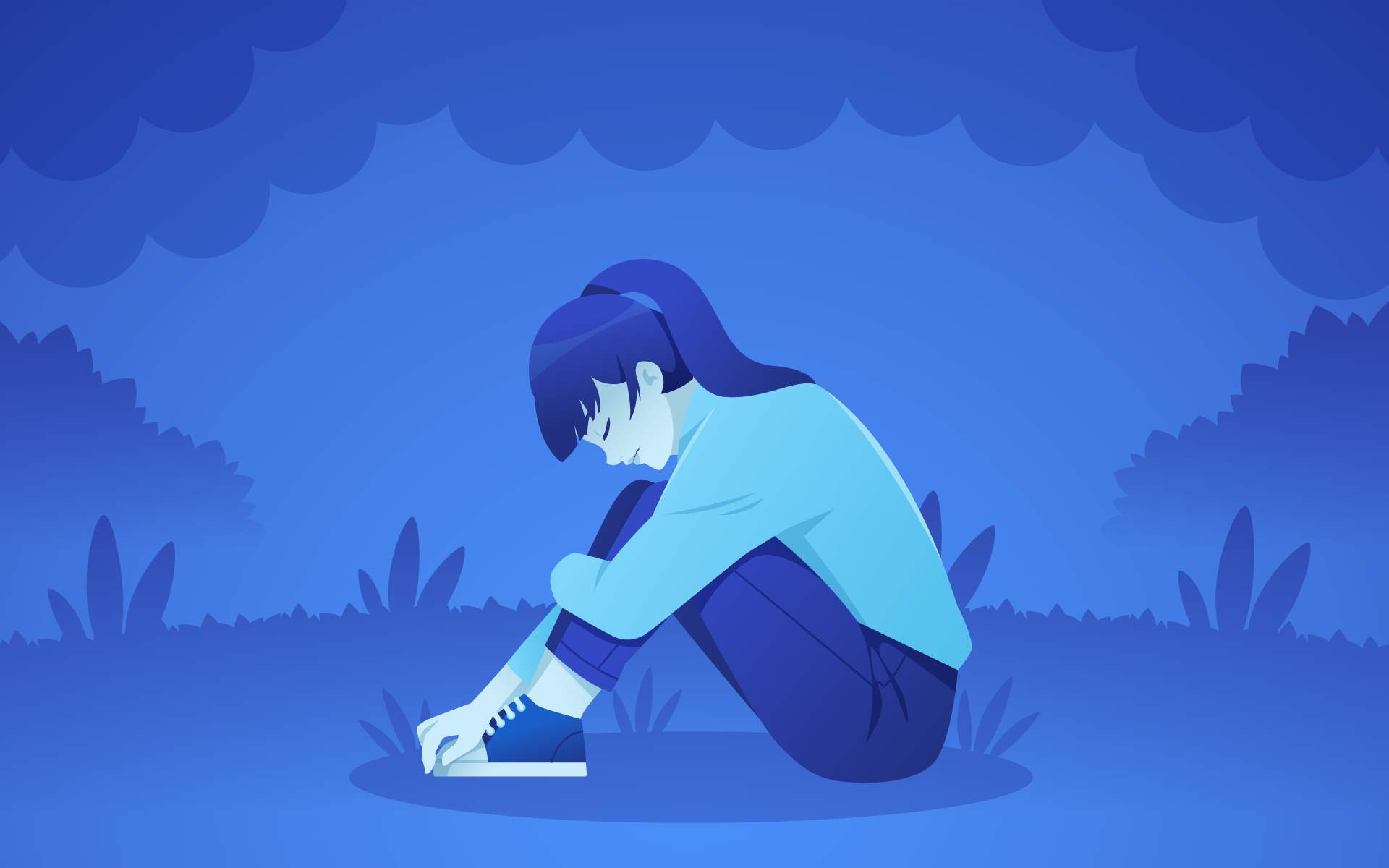
For many people in recovery, being in the body can feel like stepping onto enemy territory. It’s where we hold the emotional pain, unresolved trauma, and survival responses we’ve spent years trying not to feel. Mindfulness invites us to tune in—to become aware of our bodies and minds, to sit with our emotions and thoughts.
To many people, this is a neutral concept. However, for the addict in recovery, it’s also being asked to return to the danger our addiction once protected us from.
I once heard someone say, “You can’t feel the power of now until you’ve healed the power of then.” That statement really stuck with me.
When the nervous system is carrying trauma—when we’re dysregulated, overwhelmed, or trapped in a state of fight/flight/freeze—mindfulness doesn’t always feel supportive. Sometimes it simply heightens our awareness of the pain and discomfort within, without giving us the resources to cope.
The Root of Addiction
Many experts in the trauma and addiction field believe trauma sits at the root of addiction. Gabor Mate, one of the most influential voices in this work, invites us to shift the question from, Why the addiction? to, Why the pain?
Many of us are working from an outdated idea of what trauma actually is. Trauma isn’t defined by the event. It’s defined by what happens inside of us as a result of the event, the imprint it leaves on our body and mind.
That reframing, turning the attention toward the suffering beneath the behavior, was one of the most powerful turning points in my recovery.
You might be reading this and thinking, “This doesn’t apply to me. I don’t have trauma.” Yet many of us are working from an outdated idea of what trauma actually is. Trauma isn’t defined by the event. It’s defined by what happens inside of us as a result of the event, the imprint it leaves on our body and mind.
Trauma expert Pat Ogden describes trauma as “any threatening, overwhelming experience that we cannot integrate.” When understood this way, it becomes more relatable. It’s not limited to catastrophic events; it also includes the undigested life experiences most of us carry in varying degrees—the moments that shape how safe we feel in the world, in our relationships, and in our own bodies.
If substances became a way to soothe, regulate, or find relief from the imprint of those experiences, that is the link between trauma and addiction. Addiction doesn’t manifest without reason. It’s your body and nervous system attempting to restore balance—to escape an unbearable now—when nothing else seems to work.
The Challenges Mindfulness Presents
Mindfulness isn’t inherently problematic for everyone living with trauma; for some, it’s deeply supportive. The difficulty for some people living with symptoms of trauma is that mindfulness can sometimes intensify those symptoms, and in some cases even cause re-traumatisation.
Mindfulness eventually became one of my greatest resources. But in the early days, before I was trauma informed, I often pushed through discomfort, believing that was part of the practice. I remember one meditation in particular where I forced myself to sit with an increasingly uncomfortable sensation in the pit of my stomach. I was convinced that if I just stayed with it long enough, I’d eventually reach some blissful state of transcendence. Instead, it sent me into an intense dissociative state which lasted for weeks—something I later learned is not uncommon for trauma survivors.
This is why it’s important to understand the potential challenges of mindfulness for some—so that if you do encounter problems, you know it’s not a sign of failure. It’s simply a signal from your nervous system that more safety is needed.
Here are some primary signals to pay attention to:
Focusing on the body or breath can be activating
Trauma lives in the body as physical sensations, constriction, tension, and survival responses. When we bring awareness to the breath, or to areas that hold this survival energy—the chest, throat, belly—these sensations can feel overwhelming.
Mindfulness can trigger traumatic memories or flashbacks
Turning inward creates space for memories, images, or emotions that were previously suppressed to rise to the surface. When they do, the body and mind may react as if the past is happening again. In other words, we start experiencing the power of then.
Stillness can feel threatening to a dysregulated nervous system.
For someone who is used to living in a state of fight, flight, or chronic hypervigilance, stillness can feel unfamiliar and unsafe. Even the feeling of calm can feel threatening when the body is used to scanning for danger.
Self-observation can activate shame or self-judgement
Turning attention inward can make self-critical thoughts louder, especially for someone whose trauma involved blame, guilt, or a loss of self-worth.
None of this means mindfulness should be avoided. Far from it. It simply means the practice may need to be approached differently: with more pacing, choice, and with safety at its core.
Practising Mindfulness Safely
Safety is the foundation of trauma recovery and one of the cornerstones of trauma-informed mindfulness. David Treleaven, founder of Trauma-Sensitive Mindfulness, emphasises that mindfulness for trauma survivors must be flexible, and adapted to suit an individual’s nervous system and needs. Instead of pushing through discomfort, this approach supports choice, regulation, and autonomy.
Here are some adjustments you can make to your mindfulness practice when you start to feel activated:
- Start outward. For many people, beginning with external anchors feels more supportive than turning the attention inward. Noticing sounds, feeling your feet on the floor, or gently orienting to your surroundings can help settle the nervous system.
- Switch it up. Once a sense of grounding is established, you can then gently approach your inner experience. It can help to move between inner and outer awareness, so that if anything becomes too intense, you can shift your focus back outward, adjust your posture or pause completely. Having a reliable anchor, something that feels supportive to return to, can be especially helpful.
- Get mobile. Movement can also be a powerful bridge to presence. Walking, stretching, or gentle swaying may feel more accessible when stillness feels too threatening. You don’t have to sit motionless in a lotus position to be mindful.
- Open your eyes. For some people, closing their eyes means they can’t scan for danger. As people are learning to find safety, practising with eyes open, or with a soft gaze, can also reduce the vulnerability that may come with closing the eyes.
- Be gentle with a noisy mind. It’s also worth noting that the mind—even when busy or critical—can feel safer than the body. Understanding this can help reduce frustration when the mind doesn’t quieten in the way we might expect.
One of the most important things to remember with trauma-sensitive mindfulness is that you have choice and autonomy. Treleaven says, “We want them to know that in every moment of practice they are in control.” So, if things become too much, return to what feels safe. Stay within your window of tolerance, which allows for some discomfort, but not to where it’s overwhelming.
When practiced with care, mindfulness can be one of the greatest tools for trauma healing and addiction recovery. For me, the benefits were profound, so much so that I wrote a book about it. But the greatest benefit was reconnecting with that part of myself that addiction and trauma never touched: the part that was always there, quietly watching, peaceful and still. My true self!
Mindfulness doesn’t rewrite the past, but when we can embody a sense of safety, it helps us to hold it differently. So that the power of then no longer overshadows the power of now.