


Many of us strive to show up skillfully for the young people in our lives, whether it’s as their parent or relative, as an educator, coach, or mentor. Yet knowing just what they need to fuel their growth and leadership is not always easy. While facing all the challenges of growing up, youth today are also deeply aware of conflict and uncertainty in the world around them, and many come from families and communities impacted by systemic inequality. However, their experiences and voices are key to their ability to create change—something I recently witnessed firsthand through a youth leadership program.
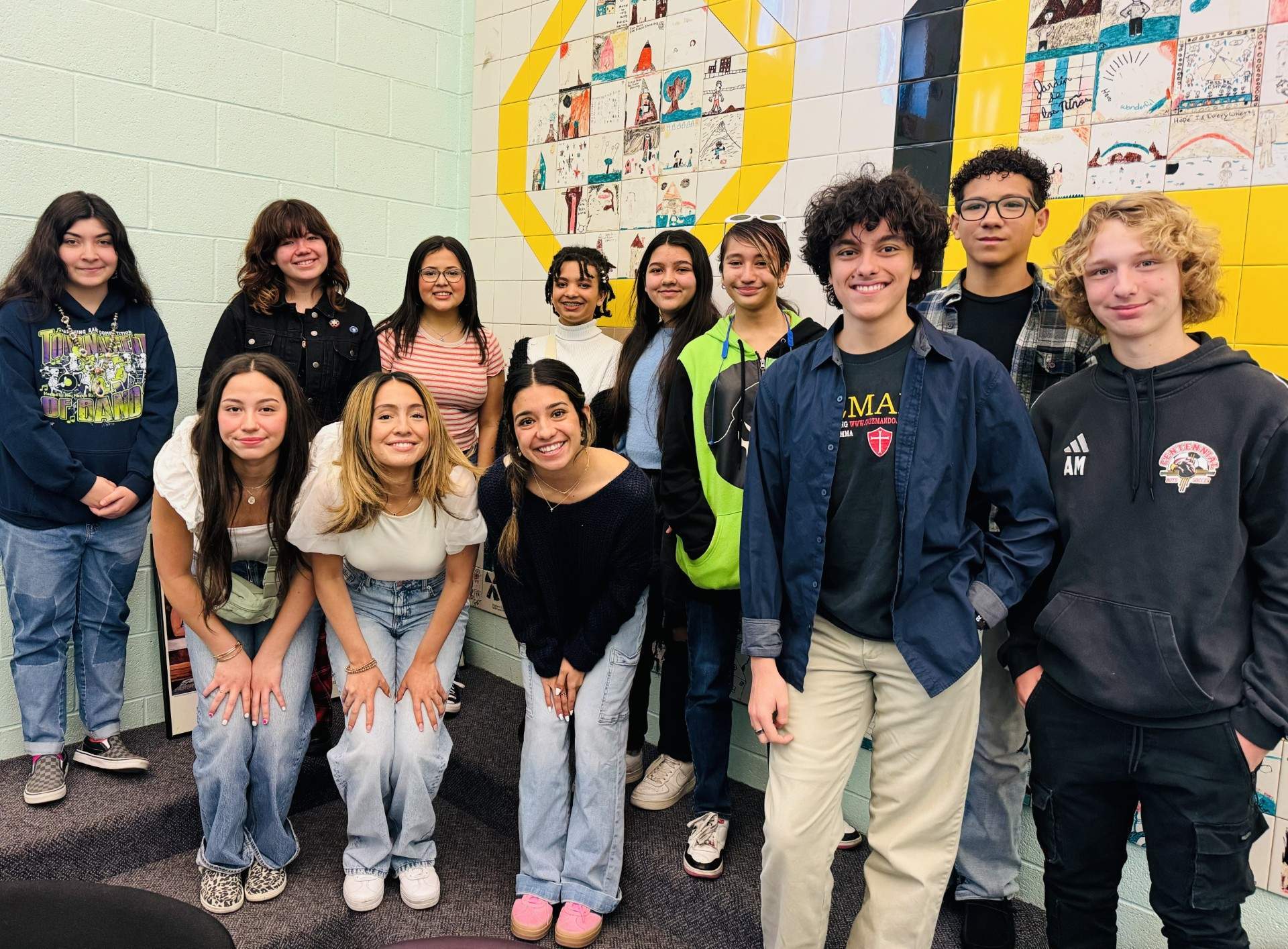
Nuestra Juventud: Creating Communities of Hope was founded on the principle that healing communities means centering youth voices and fostering a deep sense of trust in their own wisdom. Launched in 2023, the fellowship gently nurtures youth leadership, voice, and vision in the heart of Southern New Mexico, a region that has often been overlooked and under-resourced. The program, designed to cultivate philanthropy, leadership, and collective care, invites youth to act with intention and generosity in service of their communities. Serving as the Project Coordinator for Nuestra Juventud, I learned just as much from the first youth cohort as I hoped to offer them.
Learning to Lead
Developed in partnership with Ivy Child International and Aprendamos Family of Services, Nuestra Juventud—“Our Youth”—is a six-month fellowship that brings together high school and middle school students, primarily those who are Black, Indigenous, and People of Color from underserved communities. Participants gather monthly to engage in leadership workshops, community exploration, and intergenerational dialogue.
Nuestra Juventud is guided by six key objectives:
- Educate and Engage: Youth explore systems of collective impact and have opportunities to visit and learn about nonprofits in their communities.
- Personal Development: Fellows reflect on their own identities, values, and growth.
- Cultivate Social Responsibility and Philanthropy: Through learning the “Three T’s” of giving—time, talent, and treasure—youth can see themselves as active contributors.
- Enhance Collaboration: Intergenerational dialogue and teamwork teach youth how to build with others.
- Empowerment: Youth discover their voices and the impact they can have.
- Leadership Skills: Training sessions focus on SMART (Specific, Measurable, Achievable, Relevant, and Time-bound) goals, Jim Kouzes and Barry Posner’s five practices of leadership, and leadership qualities.
A cornerstone of the fellowship is the opportunity for each young person to develop their personal mission statement and select a local nonprofit organization that aligns with their values to support with a mini-grant, made possible through the generosity of the Covarrubias–Aprendamos Foundation. Through this process, youth learn not only about the mechanics of philanthropy but also about the importance of aligning one’s actions with deeply held beliefs or values.
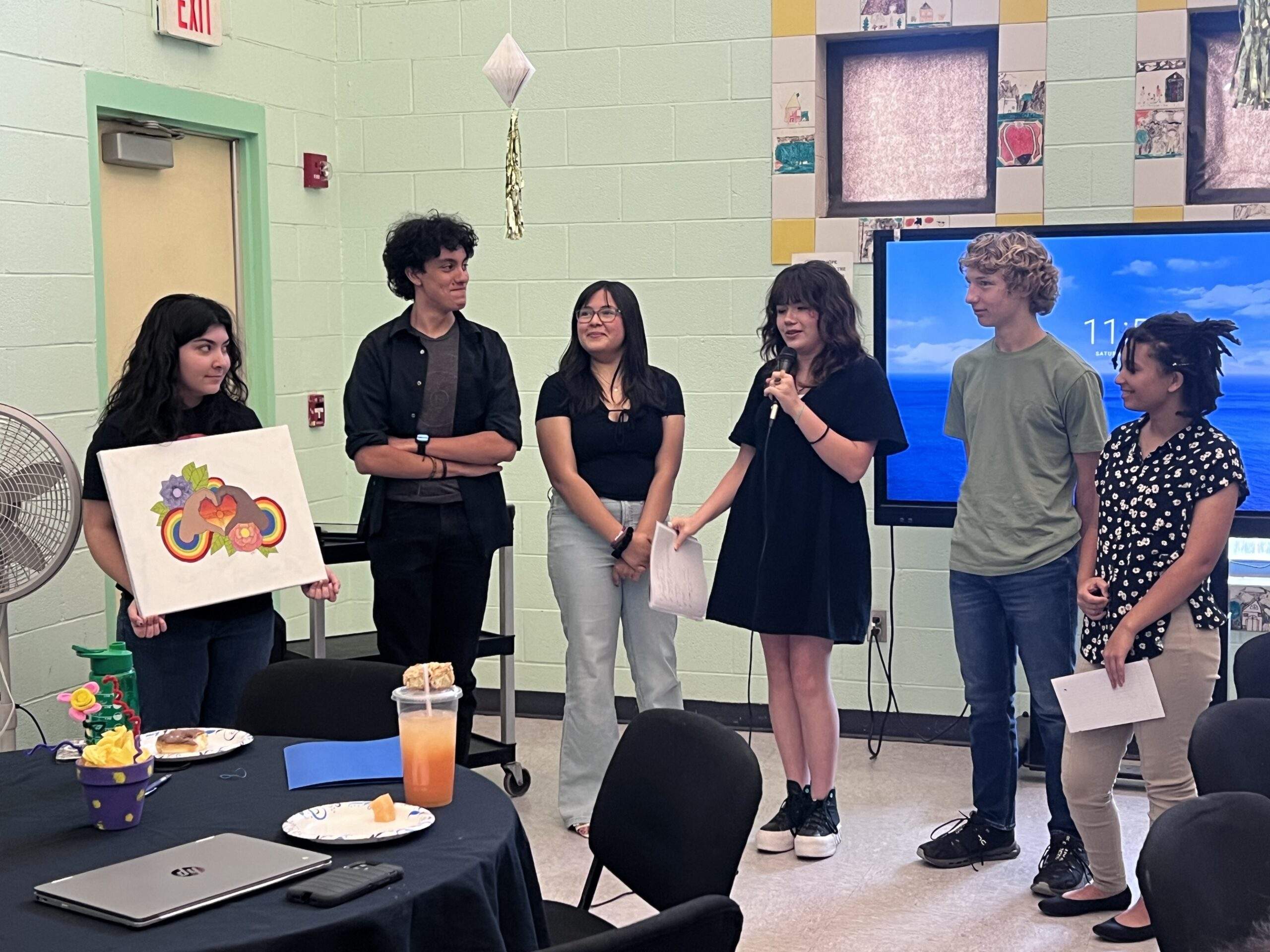
In the first iteration of the program, our youth chose to award mini-grants to a range of nonprofits spanning services for families and youth, a domestic violence shelter, a community health center, a local arts council, a community faith center, an animal shelter, a children’s literacy group, an immigrant and migrant hospitality and advocacy center, and others. A special highlight for the youth was the opportunity to develop a logo with symbolic meaning to the inaugural group. This logo will be used for the program moving forward.
Follow the Wisdom of Young Leaders
From the very first session, youth began discovering their voices and connection to one another. One of the most powerful moments came when several fellows spoke on a youth panel at a regional conference for educators and social workers. Their stories and insights became the highlight of the event, offering powerful reminders of what becomes possible when we trust young people. These reflections speak to the lasting ripple effects of this work. But it wasn’t just the fellows who transformed—mentors, family members, and nonprofit partners shared with me that they’d come to see youth not just as recipients, but as collaborators and visionaries. That shift in perception may be one of the most meaningful outcomes of all. With the permission of the fellows (some of whom prefer to remain anonymous), I share some of their remarks here.
Youth are not empty vessels waiting to be filled—they’re full of insight born from lived experience. Whether it’s navigating systems, caring for siblings, or advocating for peers, their wisdom is real and necessary.
1. Trust Young People as Experts of Their Experience
Youth are not empty vessels waiting to be filled—they’re full of insight born from lived experience. Whether it’s navigating systems, caring for siblings, or advocating for peers, their wisdom is real and necessary.
Through the first iteration of the program, youth discovered new ways to not only trust their own wisdom, but also put it into action: “I learned that I am not the only one who feels I can do more for our community and the meaningfulness of philanthropy and acts of kindness,” said one participant. Another fellow, Alex, shared, “It takes courage to stand up when you see something wrong. A good leader encourages the heart.”
2. Recognize Different Kinds of Leadership
Alexa reminded her peers to “Stay true to what you believe in.” Encouraging youth to lead from who they are, rather than who others expect them to be, is a vital way to nurture their convictions, skills, and dreams.
One of the greatest lessons from Nuestra Juventud is that leadership doesn’t always look like standing at a podium. Sometimes it’s quiet listening. Sometimes it’s creating space for others. Sometimes it’s saying, “I don’t know, but I want to learn.” As Avery offered, “A leader is someone who is good at listening to others and is understanding of others’ perspectives”—a reminder that authentic leadership is rooted in humility and care.
3. Celebrate Cultural Identity as a Source of Power
By centering the cultural backgrounds of participants—Chicana, Indigenous, Afro-Latinx, and more—Nuestra Juventud affirms that cultural knowledge is a leadership asset. Youth reflect on their ancestors, their languages, their lived experiences, and the land itself as sources of strength. As Anelise put it, “I want to lead with my abuelita in my heart.”
When youth deepen their connection to their own identity, they also gain more confidence to help them understand and communicate across cultures and backgrounds. “I learned how to get out of my comfort zone and talk to new people,” another participant said.
4. Create Space for Healing
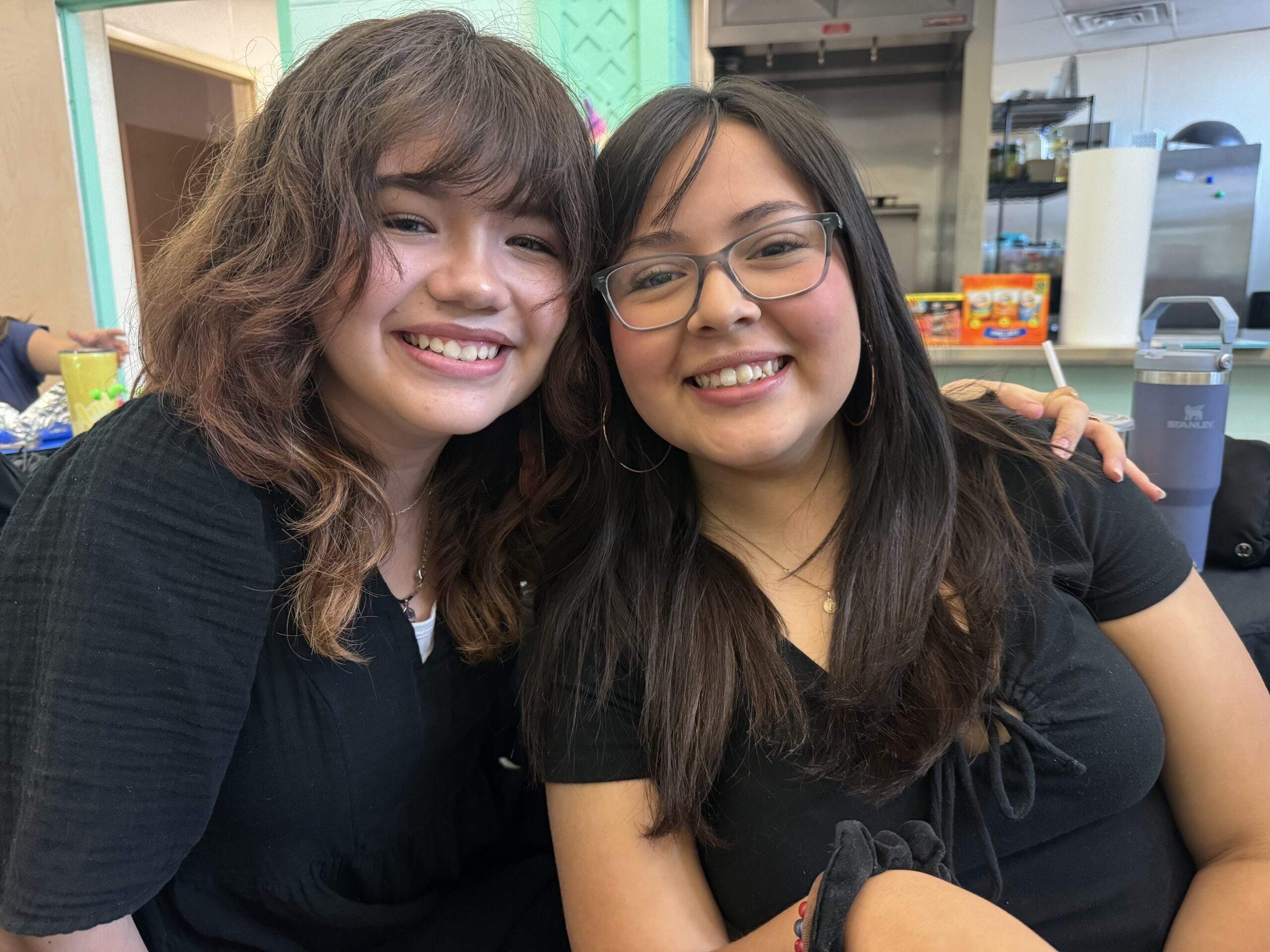
Many fellows come into the program holding the weight of family challenges, racism, and intergenerational trauma. Through peer circles, storytelling, mentorship, and opportunities for creativity, they find space to heal. And in healing, they find clarity, courage, and connection.
Many expressed the desire to continue helping their community after the program ended. Anelise reflected, “A good leader demonstrates compassion with the people they lead.” And in the words of another fellow: “I didn’t know how to be a leader and never considered myself a leader. Now I know I am a leader and can make a difference.”
5. Know That We All Have a Role to Play
Youth benefit from experiencing intergenerational connection and support. As one fellow put it, “I learned how to collaborate with people of all ages and how to share a space with others.” Others shared that they enjoyed having a mentor.
“Leadership begins with love—for our people, our places, our future generations and the futures we imagine together.” — Manny, youth fellow
The success of Nuestra Juventud isn’t just about the youth; it’s also about the adults who listen, step back, and support. Community members, mentors, funders, and facilitators show that transformation is collective work.
As youth fellow Manny said, “My mission is to make my community a better place to live.” It’s a reminder that leadership begins with love—for our people, our places, our future generations and the futures we imagine together.
5 Ways to Uplift the Next Generation
Nuestra Juventud is not just cultivating philanthropy and social responsibility for the future—it’s nurturing the leaders of now and creating communities of hope in Southern New Mexico. Each of these youth fellows is a testament to what’s possible when we trust our youth.
The wisdom shared by Nuestra Juventud participants makes one thing clear: Young people are ready to lead, but they need us—the adults in their lives—to show up with presence and corazón (a word often used in Chicanx expressions of care and leadership) differently. Here are a few ways we can all support our youth and honor their leadership:
- Listen With Respect and Curiosity: Create space for youth to speak openly, and listen to them with the intent to understand, not to respond.
- Mentor Without Controlling: Offer guidance and presence, but let youth lead and make decisions.
- Invite Youth Into Real Decision-Making: Include them meaningfully in program design, community efforts, and leadership roles.
- Celebrate Identity, Don’t Erase It: Acknowledge and affirm the cultural backgrounds and lived experiences of our youth.
- Invest in Youth—Financially and Emotionally: Support programs like Nuestra Juventud and believe in the vision youth hold for their communities. Our collective work is needed for our youth to lead with corazón, culture, and courage.